
Polished saxifrage
Saxifraga polita
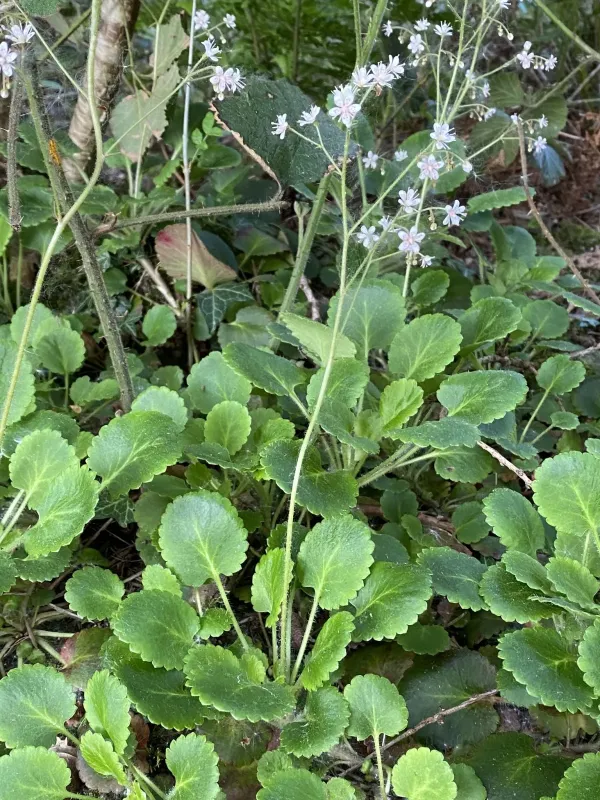
Description
Sowing dates
Sowing Saxifraga polita seeds is best performed in late winter. Due to the small size of the seeds, they should be surface-sown on a moist, fine-textured seed-starting mix without covering them too deeply.
A period of cold stratification is essential for successful germination. Keeping the seeds in a moist medium at low temperatures for several weeks mimics their natural alpine dormancy cycle.
Maintaining a constant temperature of approximately 15–18 degrees Celsius will promote steady germination. Use a clear cover or a glass pane to maintain humidity, but remove it once the first seedlings emerge.
Once the seedlings develop their first true leaves, they should be pricked out into small individual containers. A well-draining substrate is critical even at this early stage of development.
Transplanting into the permanent outdoor location should happen when the risk of heavy frost has passed. Ensure the young plants are acclimated gradually to outdoor light levels and wind conditions.
Growing requirements
Belonging to the Saxifragaceae family, this species is naturally adapted to rugged, rocky terrains. It thrives in environments where other plants struggle due to limited soil depth and extreme drainage.
The ideal soil for Saxifraga polita is alkaline to neutral with a high percentage of grit or sharp sand. In agricultural or garden settings, amending heavy soils with gravel is mandatory to prevent root rot.
Light requirements are significant; full sun is preferred for compact growth, but in regions with intense summer heat, light afternoon shade is recommended to prevent the foliage from drying out.
Water management is crucial. While the plants are drought-tolerant once established, they require regular moisture during the growing season. Always water at the base of the plant to keep the rosettes dry.
This plant is highly resistant to cold but vulnerable to excessive moisture during winter dormancy. A well-drained slope or a raised rock bed is the best location to ensure winter survival and longevity.
Main diseases and pests
Root rot and crown rot are the most frequent threats caused by poor drainage. If the soil remains saturated for long periods, the base of the plant will quickly succumb to fungal pathogens.
Powdery mildew can appear during seasons with high humidity and poor air circulation. Improving spacing between plants is the most effective cultural method to prevent the spread of this disease.
Pests such as spider mites and aphids may infest the rosettes in hot, dry weather. Monitoring and the use of insecticidal soaps can manage these populations before they cause significant stress.
Gastropods, particularly slugs and snails, find the succulent leaves attractive. Barriers made of sharp grit or crushed eggshells around the base can effectively deter these pests.
Maintaining a clean growing area by removing decaying foliage prevents the build-up of fungal spores, ensuring the long-term health and aesthetic appeal of the saxifrage colony.