
Nevada saxifrage
Saxifraga nevadensis
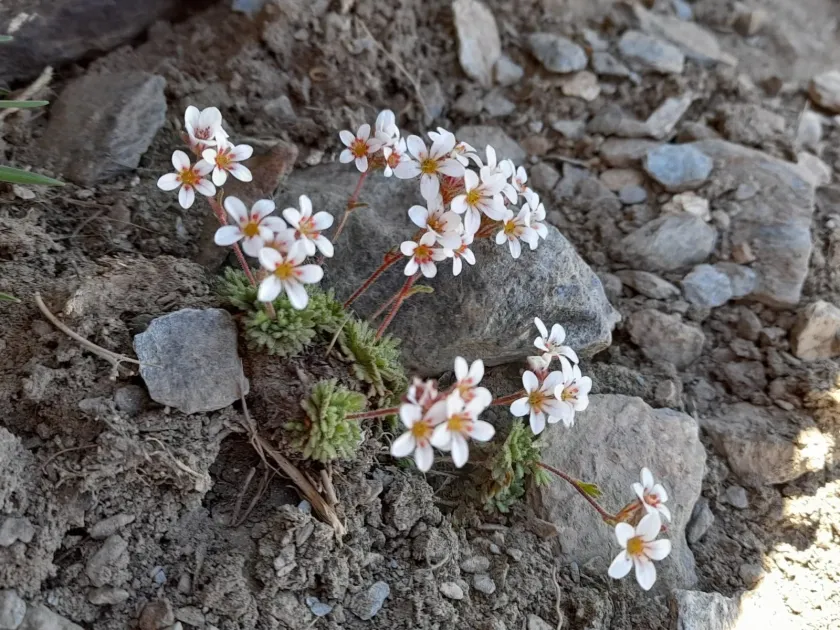
Description
Growing requirements
Nevada saxifrage (Saxifraga nevadensis) is a perennial herbaceous plant belonging to the Saxifragaceae family. It is a rare endemic species originating from the high-altitude rocky environments of the Sierra Nevada mountains in Spain.
The plant thrives in well-drained, gritty, and stony substrates that mimic its native scree slopes. Proper drainage is the most critical agricultural requirement, as moisture accumulation around the crown leads to rapid plant decay.
This alpine species requires cool temperatures and high solar exposure to maintain its compact rosette form. It is highly adapted to high-altitude stress, including strong winds and wide diurnal temperature variations.
In cultivation, a neutral to slightly alkaline substrate is preferred, consistent with the limestone formations where it occurs naturally. Fertilizer application should be minimal, as the species is adapted to nutrient-poor soil.
The main commercial and hobbyist use of this plant is in rock gardens, troughs, and specialized alpine houses. Its aesthetic appeal lies in its tight, symmetrical rosettes and delicate flowering stalks.
Main diseases and pests
The primary threats to Saxifraga nevadensis include root rots caused by pathogenic fungi such as Phytophthora or Pythium species, especially when cultivated in environments with poor ventilation.
Pests like spider mites and aphids are known to cause damage by feeding on the sap of the succulent leaves. Monitoring the undersides of leaves is crucial for early detection and mitigation.
Slugs and snails can cause significant mechanical damage to the foliage, especially in humid and cool climates. Implementing perimeter protection or organic baits is recommended to preserve the integrity of the plant.
Fungal leaf spot diseases may occur in stagnant, overly humid conditions. Ensuring high air circulation around the plants significantly reduces the risk of these pathological developments.
Proper sanitation, including the removal of dead, necrotic leaves from the base of the rosette, is an essential cultural practice to minimize the substrate for opportunistic pathogens.