
Scabiosa plumosa
Scabiosa plumosa
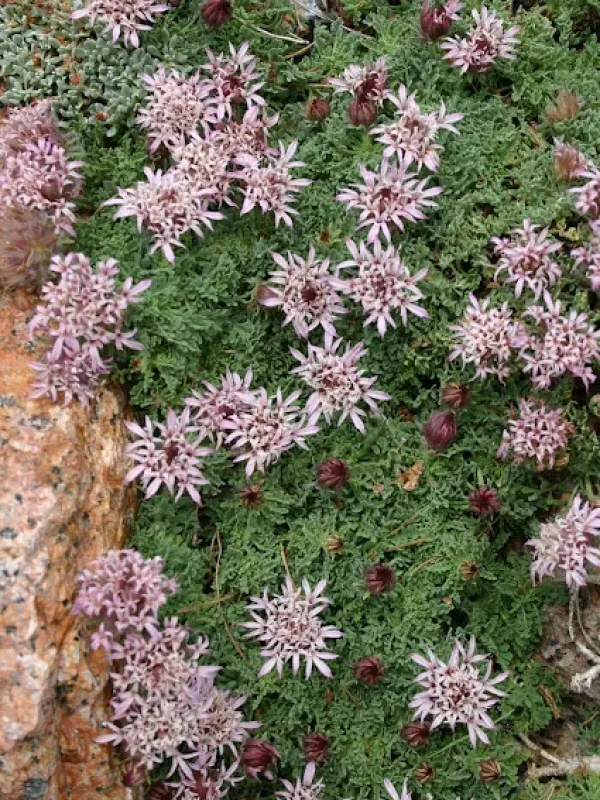
Description
Sowing dates
Scabiosa plumosa belongs to the Caprifoliaceae family and is recognized as a hardy perennial suitable for ornamental gardening and commercial flower production.
Propagation is typically achieved through seeds, which should be sown indoors in late winter or early spring in a well-draining, sterile seed-starting medium.
Seeds require light for germination and should be sown on the surface of the soil, pressed lightly, and maintained at a steady temperature of 18–20°C.
Once seedlings have developed at least two sets of true leaves, they should be transplanted into individual pots to encourage strong root development before outdoor hardening.
Direct outdoor sowing is possible once the danger of frost has passed, provided the soil is sufficiently warmed and weed-free to prevent competition with the emerging sprouts.
Growing requirements
This species thrives in full sun, requiring at least six to eight hours of direct sunlight daily to ensure robust growth and prolific flowering throughout the season.
Well-drained, fertile soil with a neutral to slightly alkaline pH is optimal for the health and longevity of Scabiosa plumosa, as it prevents root rot issues.
The plant demonstrates good tolerance to moderate drought once established, but consistent soil moisture is essential during the active blooming period.
Good air circulation is vital, as the plant is prone to fungal issues if kept in humid, stagnant, or overly crowded conditions without sufficient ventilation.
Adding organic compost during soil preparation enhances soil structure and nutrient availability, reducing the need for heavy chemical fertilizer applications later on.
Main diseases and pests
Powdery mildew is a common concern during humid spells, appearing as white dust on leaves; it is managed through fungicides and improved plant spacing for airflow.
Aphids are the primary insect threat, which can be identified by the curling of new leaf tips; they should be treated with insecticidal soaps or neem oil.
Root rot, caused by poor drainage and excessive watering, is a significant threat that can be avoided by ensuring the planting site is elevated or properly amended.
Regular monitoring for pests and diseases, especially during the peak flowering stage, is recommended to prevent localized infestations from spreading across the crop.
Proper sanitation in the garden, including the removal of dead or infected plant debris at the end of the season, significantly reduces the overwintering of pathogens.
Harvesting
Scabiosa plumosa is highly valued in the cut flower industry due to its unique appearance and excellent vase life when harvested at the correct stage of maturity.
For optimal results, flowers should be harvested when the buds are showing color but have not fully opened to ensure they continue to develop in the vase.
Seed harvesting should occur after the seed heads have turned dark and are completely dry, allowing for collection on a calm, dry day to prevent seed dispersal.
After the final bloom, the plants should be pruned down to the base to help them conserve energy for the next growing season and to maintain tidy garden beds.
Consistent deadheading throughout the blooming period encourages secondary flushes of flowers and prevents the plant from channeling energy prematurely into seed production.