
Saxifraga andersonii
Saxifraga andersonii
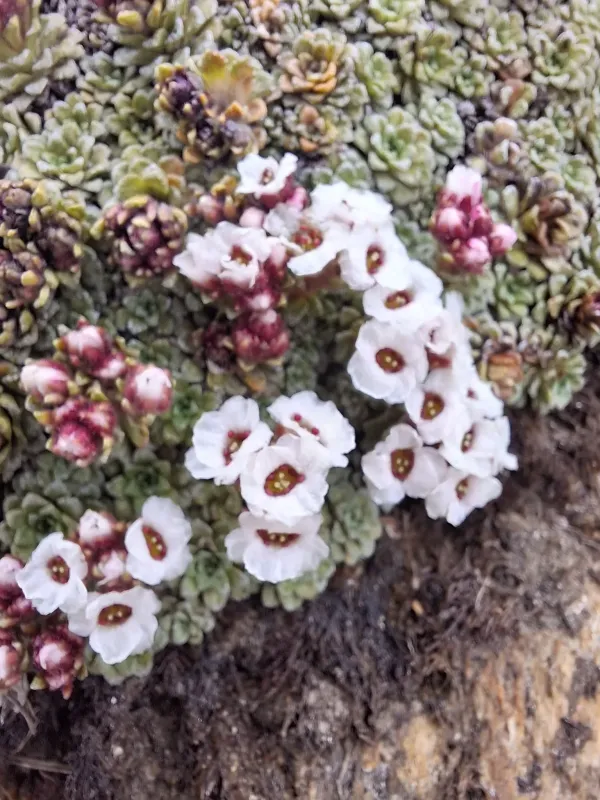
Description
Sowing dates
The seeds of Saxifraga andersonii require a period of cold stratification to achieve successful germination. In agricultural and horticultural practice, this is typically done by sowing seeds in autumn and placing the containers outdoors to experience natural winter temperatures.
If sowing in the spring, seeds should be kept in a refrigerator for at least one month before being placed in a greenhouse or windowsill. This process mimics the natural alpine cycle, ensuring that seeds sprout uniformly once the growing season begins.
The sowing substrate must be very well-drained, consisting of a mix of sand, perlite, and a small amount of peat. Keeping the substrate clean is essential to protect the delicate seedlings from "damping off," a common fungal disease in young mountain plants.
Surface sowing is recommended as the seeds are fine and need light to trigger development. They should be pressed gently into the moist mix and covered with a glass sheet to maintain a stable, humid microclimate until the first true leaves emerge.
Pricking out the seedlings into individual small pots should be performed carefully once they reach a manageable size. Due to the slow growth rate of Saxifraga andersonii, providing adequate light and preventing excessive moisture is crucial for the survival of the young plants.
Growing requirements
Belonging to the Saxifragaceae family, Saxifraga andersonii is a typical high-altitude species that thrives in rocky or scree-like environments. It requires a sunny, open location, although in regions with scorching summers, slight afternoon shade is highly beneficial.
The soil must be grit-heavy and possess excellent drainage. These plants are susceptible to root rot if moisture remains trapped around their base, so planting them on slight slopes or in raised rock beds is strongly recommended for long-term health.
Saxifraga andersonii is fully hardy, adapted to extreme alpine climates. Its main environmental demand is the avoidance of stagnant water, particularly during the dormant season. The winter environment must be cool and relatively dry to prevent the plant's crown from rotting.
The pH of the growing medium should be neutral to slightly alkaline. Incorporating limestone chips or crushed eggshells into the potting mix can help create the ideal conditions required by this species for optimal nutrient absorption.
Maintenance involves minimal intervention. As an alpine plant, it does not require heavy fertilizing. A light dressing of a balanced, low-nitrogen slow-release fertilizer in early spring is usually sufficient to support its growth and floral production throughout the season.
Main diseases and pests
Root rot and crown rot are the primary threats to the plant's survival, caused predominantly by poor drainage and excessive humidity. Preventing these issues requires careful placement and the use of grit mulching to keep foliage away from moist, decomposing soil.
Spider mites are the most common insect pests that can infest these plants during dry, hot periods. They cause visible damage to the leaves by piercing cells, which can be mitigated by keeping the plant environment healthy or using targeted miticides if an outbreak occurs.
Slugs and snails can severely damage Saxifraga andersonii, especially in early spring when young shoots emerge. Protecting the perimeter of the planting site with copper tape or specialized barriers is an effective, environmentally friendly way to control these intruders.
Fungal infections, such as powdery mildew or rust, can occur if there is insufficient air circulation. Thinning out competing weeds and ensuring the rock garden is well-ventilated will prevent the buildup of humidity around the dense mats of leaves.
Physiological decline often results from using unsuitable, high-organic soils. If the plant shows yellowing leaves, testing the soil pH is a necessary step, as an acidic environment often prevents Saxifraga andersonii from thriving and accessing essential micronutrients.