
Saxifraga apiculata
Saxifraga apiculata
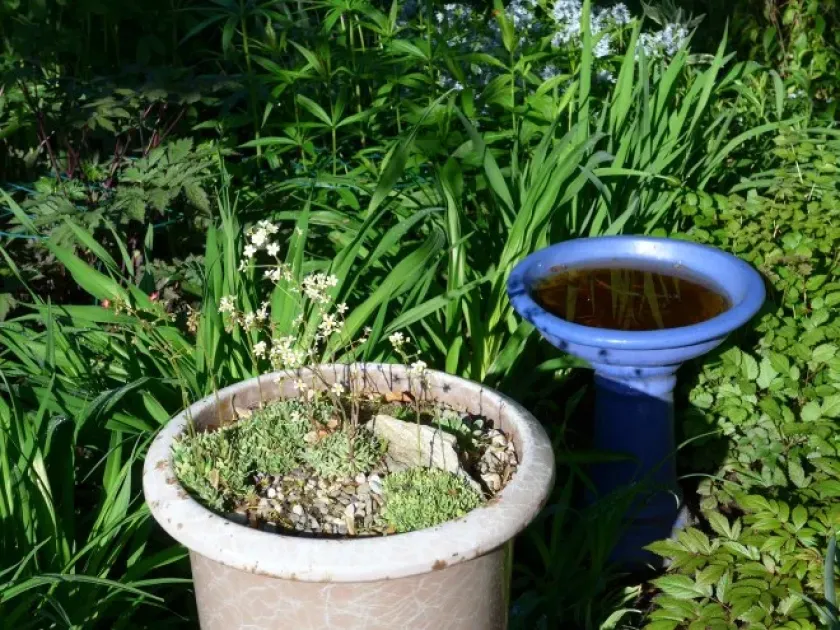
Description
Sowing dates
Propagation of Saxifraga apiculata is primarily achieved through vegetative division of the dense cushions after the flowering period concludes. Carefully splitting the clumps ensures that each new section has a portion of the root system to facilitate rapid establishment in a new location.
Cuttings can also be taken from individual rosettes in late spring. These cuttings should be placed in a mix of coarse sand and perlite, ensuring that the base of the rosette is firm, which encourages root development while preventing the delicate tissue from decaying in overly moist conditions.
For those interested in seed propagation, sow the fine seeds in early spring in containers filled with a grit-based, well-draining substrate. Do not cover the seeds deeply, as they require light to germinate effectively; maintaining a consistent humidity level is crucial for success.
Once seedlings have reached the two-leaf stage, they should be pricked out into small pots to allow for adequate root development. This stage requires careful handling, as the young plants are susceptible to drying out quickly if not monitored closely in a greenhouse environment.
Transplanting into the permanent site should be done with minimal disturbance to the root ball. Ensuring the surrounding soil is appropriately gritty will help the young saxifraga transition successfully from its nursery container to the open garden setting.
Growing requirements
Saxifraga apiculata is a member of the Saxifragaceae family, prized for its ability to form tight, evergreen, moss-like mats. Native to the mountainous regions of Europe, this plant is perfectly adapted to life in limestone-rich, rocky habitats with excellent drainage.
The primary soil requirement is a lean, inorganic substrate that facilitates rapid water drainage. Incorporating crushed limestone or gravel into the planting site mimics the plant's natural environment and helps maintain the slightly alkaline soil pH it prefers for optimal growth.
Exposure to light should be bright but filtered, especially in regions with intense summer heat. While these plants enjoy sun, they are prone to overheating; placing them on an east-facing slope often provides the perfect balance of morning sun and afternoon shade.
Watering must be approached with caution to avoid moisture accumulation around the crown. The plants benefit from a layer of fine gravel or chippings around the base, which keeps the foliage dry and prevents the leaves from coming into direct contact with damp soil.
In terms of climate, Saxifraga apiculata is highly resilient but requires protection from winter desiccation. In areas with little to no snow cover, providing a light protective layer of evergreen boughs can shield the foliage from drying winds and harsh frost cycles.
Main diseases and pests
Fungal pathogens are the most significant threat to the health of Saxifraga apiculata, particularly when stagnant air and excess moisture are present. Powdery mildew can quickly affect the dense cushions, requiring immediate removal of affected parts and systemic fungicide application.
Root rot is a common issue caused by poor drainage or overwatering. If the base of the rosette appears discolored or mushy, it is often a sign that the root system is failing; at this stage, improving drainage is critical to preventing the plant from dying entirely.
Slugs and snails are the most frequent pests, as they are drawn to the succulent nature of the leaves during moist spells. Setting up physical barriers or using pet-safe bait around the rockery can significantly reduce damage to the foliage during the growing season.
In hot and dry conditions, spider mites may sometimes attack the plants, causing the foliage to lose its vibrant green color. Regular inspection of the undersides of the leaves can help identify an infestation early before it spreads across the entire cushion.
Routine sanitation is the best prevention strategy. Removing dead flower stems and debris from within the cushion encourages healthy airflow and prevents the buildup of humidity, which is the primary catalyst for most diseases affecting this alpine species.