
Peltoboykinia
Peltoboykinia
Peltoboykinia is a genus of perennial herbaceous plants belonging to the Saxifragaceae family. Native to the damp forest floors of East Asia, particularly Japan and China, these plants are highly prized for their unique architectural foliage and adaptability to woodland conditions.
What the section contains


Peltoboykinia
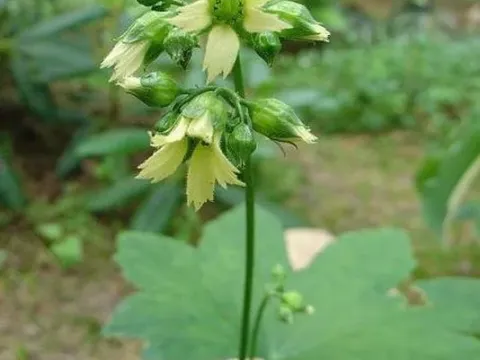
Botanically, the plant is characterized by its large, shield-shaped, palmately lobed leaves that rise on slender stalks. The foliage provides a bold, sculptural appearance, making it an excellent choice for ground cover in shaded landscape designs.
Successful cultivation requires soil that is rich in organic matter, loose, and consistently moist. It is vital to ensure excellent drainage, as the fleshy rootstocks are prone to rot if kept in waterlogged conditions for extended periods.
Peltoboykinia thrives in sheltered, shady environments. They should be positioned away from direct sunlight, which can quickly scorch their broad leaves. A site beneath a canopy of deciduous trees is often the ideal location for this species.
Routine care involves regular watering during dry spells and applying a layer of organic mulch each spring. Mulching not only helps retain moisture but also suppresses weed growth, which is essential given the plant's relatively slow establishment phase.
The primary health concern for Peltoboykinia in garden settings is the development of fungal root rots. To mitigate this risk, gardeners must ensure the planting site is well-drained and avoid over-irrigating the root zone.
Leaf spot diseases may appear during periods of high humidity and poor air circulation. It is recommended to prune away affected foliage and ensure the plants have enough space between them to allow for proper airflow.
Slugs and snails are the most frequent insect pests, often grazing on the lush, soft leaves during the spring. Implementing manual barriers or using iron phosphate-based bait is an effective way to keep these gastropods under control.
Aphid infestations may occasionally occur on emerging shoots. While usually not lethal, severe infestations can stunt growth and distort the leaf shape, requiring the use of insecticidal soaps or horticultural oils.
Maintaining a clean garden bed by removing dead plant debris helps eliminate overwintering sites for both pathogens and pests. Consistent monitoring and early intervention are key to sustaining healthy and vigorous Peltoboykinia stands.