
Rue-leaved saxifrage
Saxifraga tridactylites
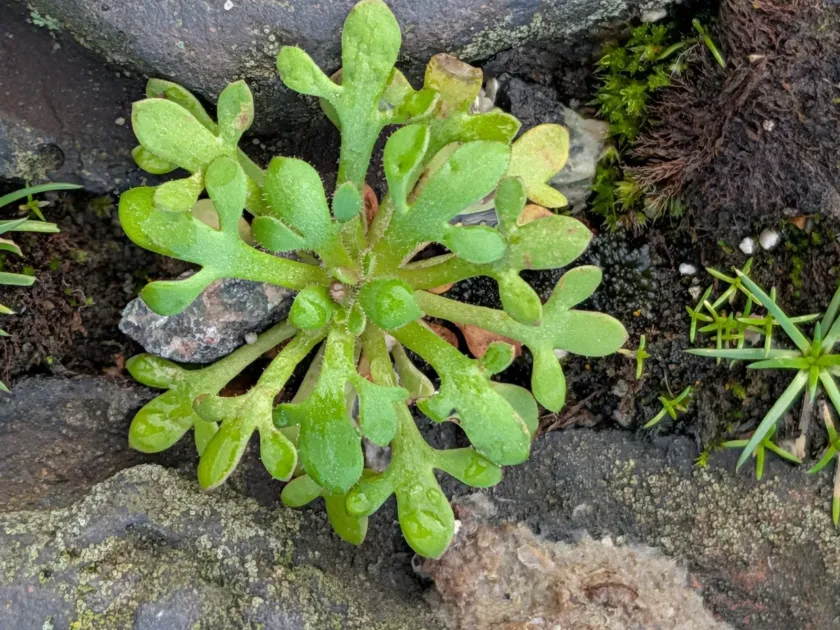
Description
Growing requirements
Rue-leaved saxifrage (Saxifraga tridactylites) is a member of the Saxifragaceae family. This annual herb is biologically classified as an ephemeral, completing its vegetative cycle rapidly during the spring months.
The plant is native to Europe, the Mediterranean region, and parts of the Caucasus. In the wild, it typically inhabits dry, rocky outcrops, limestone grasslands, and sandy dunes with minimal topsoil depth.
This species requires full sun exposure to flourish. It is highly adapted to open environments where competition from taller vegetation is limited and solar irradiation is maximal throughout the day.
The ideal soil profile for this crop is loose, calcareous, and exceptionally well-drained. Heavy or waterlogged soils are detrimental to its health, often leading to rapid decline and mortality of the specimens.
Cultivation practices focus on maintaining low-nutrient conditions. It does not require fertilizers; instead, the focus should be on mimicking its natural lithophytic environment through sandy, gravelly, and rocky substrates.
Main diseases and pests
Disease pressure on Saxifraga tridactylites is primarily linked to moisture management. Fungal pathogens, including root rot and dampening-off, are the most frequent threats when drainage is insufficient.
Pests such as aphids and spider mites can infest the foliage, particularly in confined garden settings. These insects can cause stunted growth and chlorosis if left unchecked during the rapid growth phase of the plant.
To mitigate disease risk, growers should ensure sufficient spacing between plants to promote airflow. Proper ventilation reduces the surface moisture on leaves, which is critical for preventing fungal outbreaks.
Control strategies for pests include manual removal for minor infestations or the use of mild botanical insecticidal soaps if the population reaches economic or aesthetic thresholds.
Integrated pest management remains the preferred approach. By selecting sites with optimal conditions and avoiding over-watering, growers can naturally reduce the susceptibility of the plants to both biotic and abiotic stressors.