


Reference · Crops
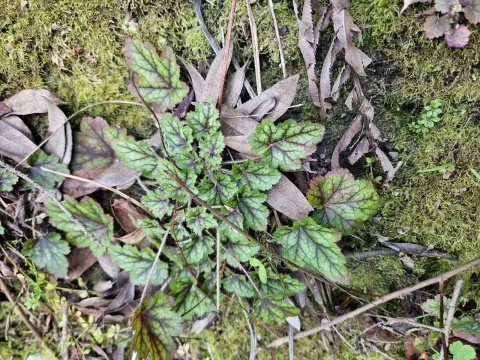
Heuchera
Heuchera L.
Heuchera is primarily propagated vegetatively by dividing mature clumps, which ensures the consistency of the cultivar's characteristics over time.
6
items
What the section contains
Marketplace
Products in this section · 12


Heuchera
The optimal timing for division is early spring as new growth emerges or late summer immediately following the end of the flowering period.
Seed propagation is also practiced; seeds should be sown on the surface of a light substrate in early spring as they require light to germinate effectively.
Seedlings need to be pricked out into individual containers and grown in protected greenhouse conditions before they are hardened off for planting outdoors.
Root cuttings can also be used in controlled environments to produce new plants, ensuring high humidity is maintained throughout the rooting process.
Heuchera belongs to the Saxifragaceae family and originates from the mountainous regions of North America, adapted to temperate climate conditions.
The crop thrives in well-drained, fertile soils with a neutral or slightly alkaline pH and requires excellent aeration to prevent root rot.
Most varieties prefer partial shade, as intense direct sunlight can cause significant leaf scorch and heat stress during the summer months.
Regular mounding of the crown is essential because the woody rhizome of the plant naturally rises above the soil level as it matures over the years.
Mulching is a key cultural practice that helps maintain soil moisture levels and protects the rhizome from temperature fluctuations during winter.
Root rot is the most serious threat to Heuchera, typically caused by poor soil drainage and waterlogging, which compromises the root system integrity.
Foliar diseases such as leaf spots can degrade the plant's aesthetic value, necessitating periodic applications of appropriate fungicides during the growing season.
Pests such as leaf nematodes pose a significant challenge, often requiring the complete removal of infected plants to protect the rest of the collection.
Slugs and snails frequently feed on the succulent foliage, particularly during damp weather conditions, which can lead to unsightly damage to the leaves.
Powdery mildew may occur in poorly ventilated areas or under high humidity, requiring prompt management through environmental adjustments or treatment.