
Small-flowered alumroot
Heuchera micrantha Douglas ex Lindl.
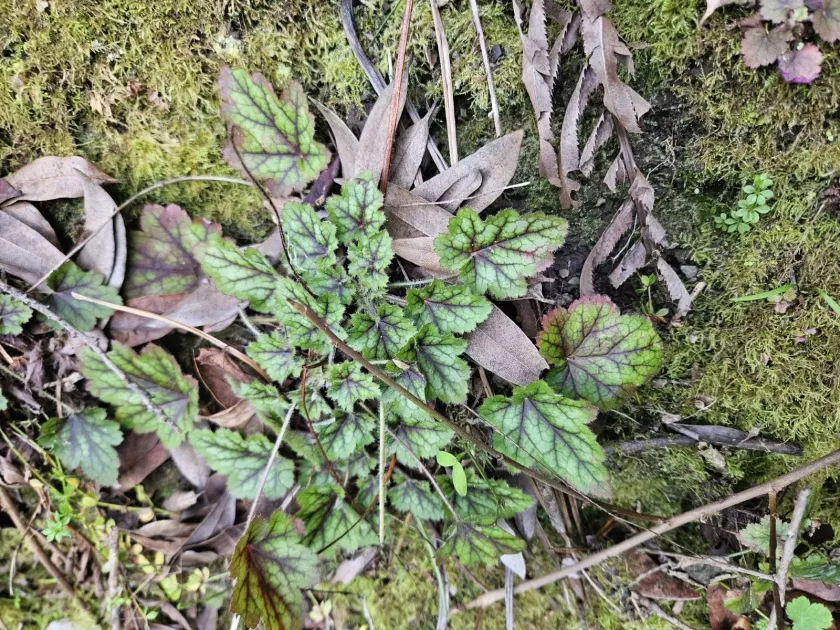
Description
Sowing dates
Sowing seeds of the small-flowered alumroot is typically done in late March or April using propagation trays. Due to the tiny size of the seeds, they should not be buried deep but pressed gently into the moist substrate.
To improve germination rates, the seeds require a stratification period at approximately +4 °C for a month. Afterward, move the containers to a warm location with temperatures around +20...+22 °C and provide indirect sunlight.
Pricking out the seedlings is performed once the first pair of true leaves has developed. As the plants grow slowly, it is essential to monitor moisture levels carefully to prevent both drying out and waterlogging.
Transplanting into the open garden occurs in June, after the danger of late frost has passed. Planting distance should be between 30 and 40 centimeters to ensure adequate airflow as the plants mature.
Vegetative propagation by division is recommended every 3 to 4 years to rejuvenate the plant, maintain its health, and ensure the retention of specific variety characteristics.
Growing requirements
Heuchera micrantha, belonging to the Saxifragaceae family, originates from the western regions of North America. It is a prized perennial known for its attractive foliage and suitability for semi-shaded garden spots.
The plant thrives in well-draining, loose soil with a neutral or slightly alkaline pH. Proper drainage is crucial, as water stagnation will quickly lead to the decay of the root collar, particularly during dormant seasons.
The ideal climate for this plant involves moderate temperatures and consistent moisture. While somewhat drought-tolerant, regular watering is necessary during hot summer days to maintain leaf vibrancy.
Mulching the base of the plant with peat or wood chips helps preserve soil moisture and prevents the root system from overheating. This is a standard agricultural practice for all Heuchera species.
During the winter preparation, mounding soil around the base is advisable, as the rhizomes tend to grow upward and become exposed to freezing temperatures over time.
Main diseases and pests
The primary diseases affecting small-flowered alumroot are caused by excessive moisture, which triggers root rot and gray mold (Botrytis). Affected areas must be removed immediately, and fungicides should be used if the infection spreads.
Leaf nematodes are the most serious pest, causing leaf deformation and necrosis. Since there are few effective chemical controls, the best management strategy is the prompt removal and destruction of infected plants.
Slugs and snails frequently feed on the succulent leaves, especially during wet weather. Utilizing baits or creating physical barriers like wood ash around the plants can effectively deter these pests.
Caterpillars may also graze on the foliage. Routine garden inspections allow for the early detection and manual removal of these insects, avoiding the need for heavy chemical intervention.
Ensuring proper spacing and excellent air circulation is the most effective preventative measure against the development of fungal infections and other common ornamental plant diseases.