
Intricate saxifrage
Saxifraga intricata
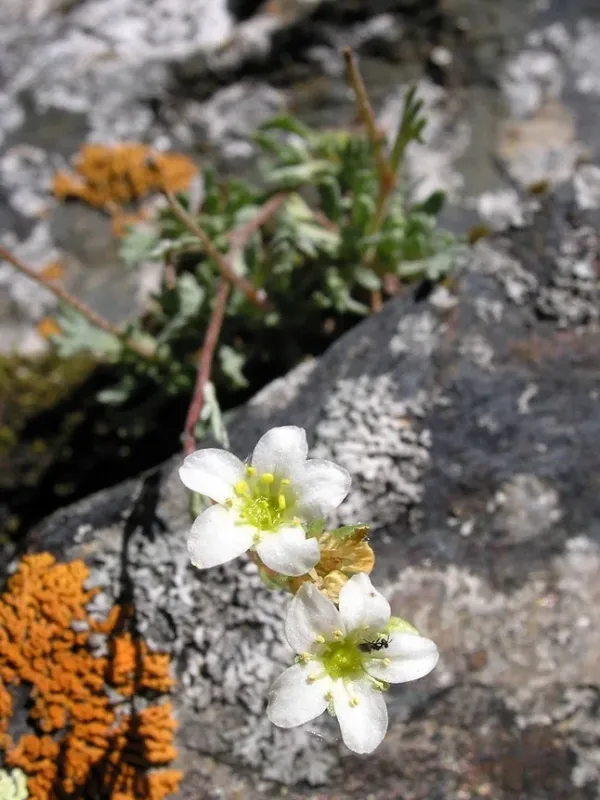
Description
Sowing dates
Propagation of Saxifraga intricata is primarily achieved through seeds or vegetative division of established clumps. The seeds are extremely small, requiring surface sowing with minimal covering of the substrate.
The best time for outdoor sowing is late spring, once the threat of frost has passed. For greenhouse production, seeds are sown in containers in early spring, often requiring a period of cold stratification.
A porous, well-draining potting mix incorporating coarse sand is essential for successful germination. Keeping the seed surface slightly moist using a fine mist spray is critical for initial growth.
Seedlings typically emerge within a few weeks under stable conditions. As they grow, they require careful monitoring of soil moisture to prevent damping-off, a common issue for young saxifrage plants.
Vegetative division is best performed in late summer after the plant has finished flowering. Carefully separating sections of the root mass allows for reliable establishment of new individual plants.
Growing requirements
Belonging to the Saxifragaceae family, this plant is naturally adapted to rugged, rocky environments. Its biological structure allows it to thrive in nutrient-poor, mineral-rich soils found in mountainous terrain.
This species prefers bright light but benefits from partial shade during the hottest parts of the day in warm climates. Excessive heat without sufficient moisture can lead to stress and leaf necrosis.
The soil must be well-drained and slightly alkaline. Waterlogging is the most common cause of failure in cultivation; therefore, rocky substrates or slopes are preferred for optimal root aeration.
Saxifraga intricata performs exceptionally well in rock gardens or scree beds where drainage is natural. Proper air circulation around the rosettes is vital for maintaining plant health throughout the season.
As a hardy mountain plant, it exhibits high tolerance to cold temperatures and is well-suited for regions with significant seasonal variations, provided the soil remains well-drained during winter.
Main diseases and pests
Fungal infections, often triggered by excessive moisture, pose the primary threat to this plant. Powdery mildew can develop if humidity remains high without sufficient airflow.
Root rot caused by poor soil drainage remains the most significant threat to plant longevity. Providing adequate slope or gravel mulch is an effective preventive measure against this condition.
Slugs and snails represent the main pest threats, particularly during wet spells. These pests can damage the succulent leaves rapidly, necessitating the use of deterrents or manual removal.
Cultural prevention includes using a gravel layer beneath the plant to prevent foliage from touching wet soil. This keeps the leaves dry and prevents the spread of soil-borne pathogens.
Regular inspection of the plant's rosettes is recommended. Early detection of pests or rot symptoms allows for immediate corrective actions, preserving the overall health and vigor of the colony.