
Geranium-leaved saxifrage
Saxifraga geranioides
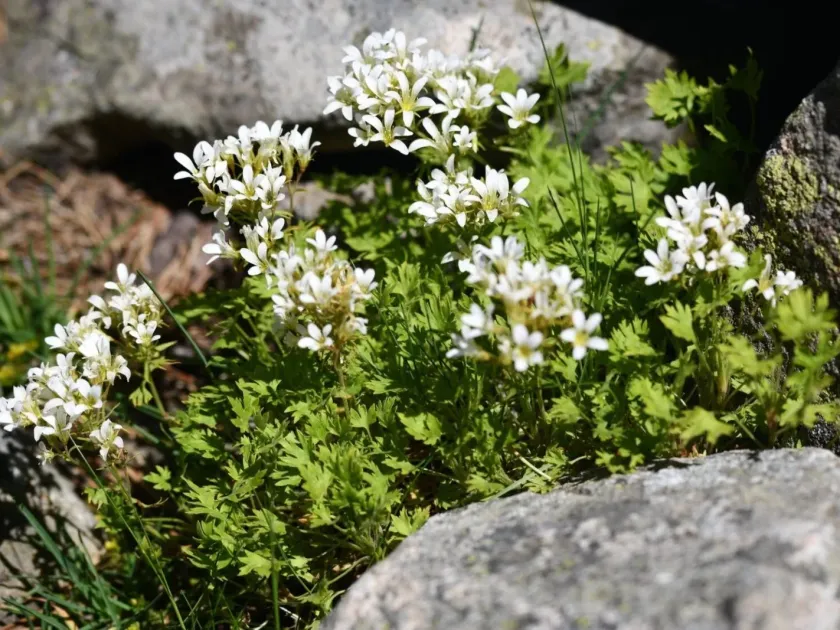
Description
Sowing dates
Sowing seeds of Saxifraga geranioides is best done in late winter or early spring using seed trays filled with a well-draining, gritty soil mix. Stratification for a few weeks in a cool environment significantly improves germination rates.
The seeds are tiny and require light to germinate, so they should be surface-sown and only lightly pressed into the growing medium. Maintaining consistent surface moisture is crucial during this stage.
Once seedlings have developed their first true leaves, they should be pricked out into small individual pots to allow room for root development. Hardening off the young plants is essential before planting them outdoors.
Planting in the garden should occur after the risk of frost has passed, ensuring each plant is spaced at least 15 to 20 centimeters apart to promote good air circulation.
Vegetative propagation via division in early spring is also a very reliable method, helping to preserve the specific traits of mature clumps while expanding the planting area.
Growing requirements
Geranium-leaved saxifrage belongs to the Saxifragaceae family and is a perennial plant native to high-altitude mountain regions. It is well-adapted to rocky, alpine environments and thrives in conditions that mimic its natural habitat.
The primary soil requirement is excellent drainage. The planting site should consist of a mix of soil, grit, and sand, which prevents the roots from sitting in stagnant water during winter months.
While the plant prefers sunny spots, it appreciates a degree of afternoon shade in warmer climates to protect the delicate leaves from overheating and potential dehydration.
During the growing season, moderate watering is necessary. However, care should be taken to water at the base of the plant to keep the central leaf rosette dry and prevent rotting.
As an alpine species, it is quite cold-hardy, but providing a top dressing of gravel around the crown can help prevent moisture buildup during the wet, dormant season.
Main diseases and pests
Fungal diseases, often triggered by excessive moisture or poor air circulation, are the most significant threat to the health of the Geranium-leaved saxifrage.
Root rot is common in heavy, waterlogged soils. Ensuring that the planting medium is loose and mineral-rich is the most effective way to avoid these physiological issues.
Slugs and snails are major pests that can damage the foliage. Implementing manual barriers or using eco-friendly deterrents is often necessary during wet spells to protect the young growth.
Spider mites may appear during dry, hot weather, feeding on plant sap. Regular inspection of the undersides of the leaves can help identify infestations early before they cause significant damage.
Promptly removing any decaying or yellowing leaves from the center of the rosettes can significantly reduce the risk of disease transmission within the cluster.
Harvesting
The primary use of Saxifraga geranioides is in ornamental horticulture, specifically for rock gardens, trough plantings, and as a ground cover for stabilizing small embankments.
Seed harvesting is performed once the seed capsules have turned brown and dried. Seeds should be collected on a dry day to prevent mold development during storage.
Post-flowering maintenance involves cutting back the spent flower stalks to maintain the tidy, compact shape of the plant's foliage mats throughout the growing season.
In nursery production, this species is frequently propagated to meet demand for alpine garden design, where it is valued for its hardiness and classic aesthetic appeal.
Properly maintained plants form dense, evergreen-like mounds that provide visual interest even outside the peak flowering period, making them a staple for alpine gardeners.