
Heuchera villosa
Heuchera villosa Michx.
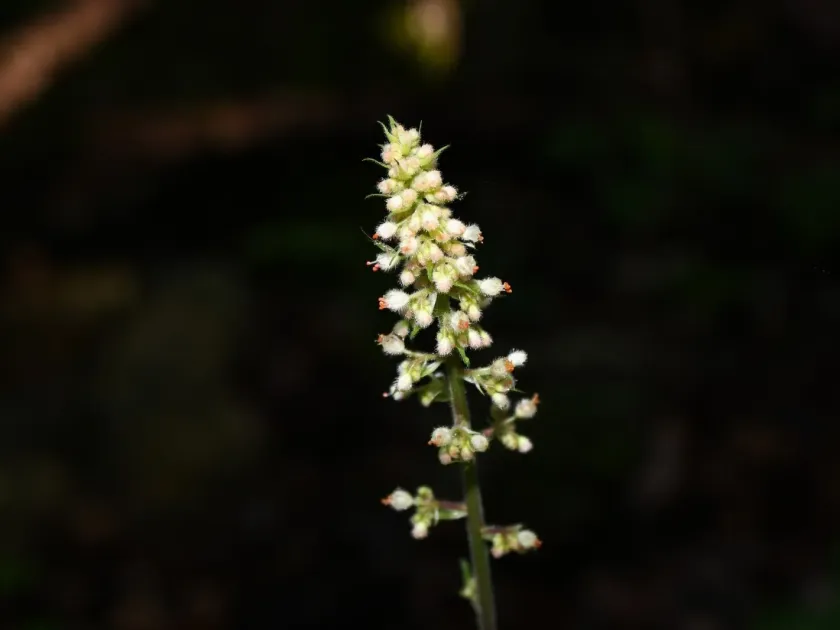
Description
Sowing dates
Sowing Heuchera villosa seeds is best accomplished in early spring using a sterile, well-draining seed-starting mix. The seeds are exceptionally small and should be scattered over the surface of the soil rather than buried.
To ensure germination, keep the growing medium consistently moist by covering the container with a clear plastic dome or bag. This creates the necessary high-humidity environment for the seeds to sprout effectively.
Place the seed tray in a location with bright, indirect light and a steady temperature between 20°C and 22°C. Germination typically occurs within three to four weeks under optimal conditions.
Once seedlings have developed two or three sets of true leaves, they should be transplanted into individual small pots. This stage allows the young plants to develop a robust root system before their final planting.
Gradual acclimatization, or hardening off, is crucial before moving the young plants to their permanent garden beds. This process helps them adjust to outdoor temperature fluctuations and light intensity.
Growing requirements
Heuchera villosa, commonly known as hairy alumroot, is a member of the Saxifragaceae family. This species is native to the woodlands of the Southeastern United States and is highly valued for its robust habit and fuzzy foliage.
The plant thrives in partial shade conditions, making it an excellent candidate for woodland gardens or shaded borders. While some cultivars can handle more sun, excessive afternoon heat should be avoided.
The ideal soil for this species is rich in organic matter, loose, and well-drained. Heuchera villosa shows a higher tolerance for heat and humidity compared to other species, but it still requires a neutral to slightly acidic pH.
Consistent moisture is key to the plant's health, particularly during the hot summer months. However, care must be taken to ensure water does not accumulate around the crown, as this can trigger rot.
In terms of long-term maintenance, applying a layer of organic mulch around the base of the plant helps retain soil moisture and regulate temperature. Every few years, division of the crown may be necessary to revitalize older plants.
Main diseases and pests
Powdery mildew is a common fungal issue that can affect the foliage of Heuchera villosa during periods of high humidity and poor air circulation. Proper spacing between plants is the best preventative measure.
Botrytis, or gray mold, can develop if the center of the plant remains damp for extended periods. Removing dead or damaged leaves promptly helps to reduce the risk of this infection spreading.
Root weevils are perhaps the most damaging pests for this species. Their larvae feed on the roots underground, often leading to the sudden collapse of the plant before the infestation is even detected.
Slugs and snails frequently cause cosmetic damage by eating holes in the leaves. Using organic bait or barriers can help protect the aesthetic value of the foliage throughout the growing season.
Foliar nematodes can lead to stunted growth and distorted leaf development. Since chemical control is often difficult, the most effective management strategy is to remove and destroy infested plants to prevent spreading.