
Heuchera cylindrica
Heuchera cylindrica Douglas
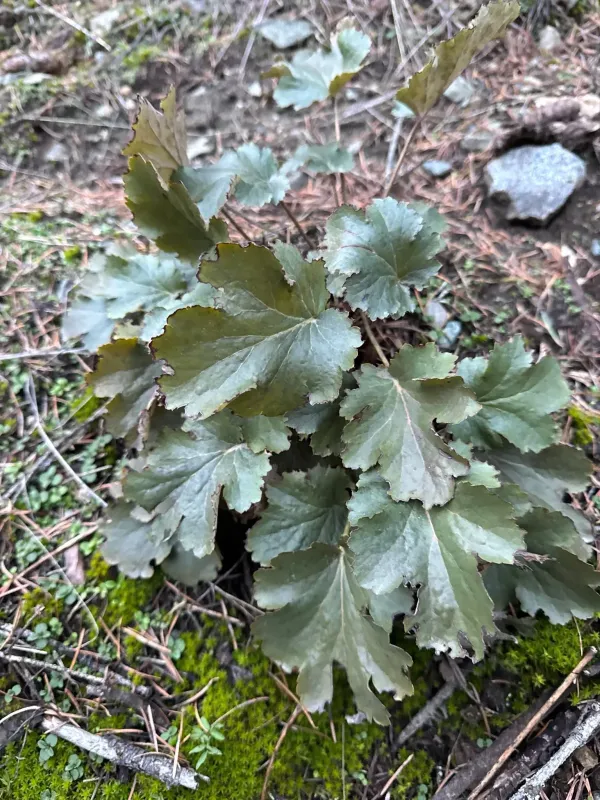
Description
Sowing dates
Heuchera cylindrica seeds are typically sown in early spring or autumn. Due to their minute size, the seeds should be surface-sown on fine-textured, moist soil and pressed gently into the substrate without covering them with soil, as they require light to germinate effectively.
For indoor propagation, seeds should be started in trays under controlled conditions, maintaining a temperature range between 18°C and 22°C. Once the seedlings develop their first true leaves, they require transplanting into individual pots to facilitate root development.
Hardening off the plants is a crucial step before transplanting them into the open ground. This process helps young Heuchera plants adjust to outdoor environmental factors, such as wind and varying light intensity, ensuring higher survival rates.
The transplantation into the permanent growing site should occur once the danger of late spring frost has passed. Spacing is essential for this species, with a recommended distance of 30 to 45 cm between plants to maintain adequate airflow and health.
The plant belongs to the Saxifragaceae family and is native to the Pacific Northwest region of North America. It is valued for its hardiness and its distinct, robust cylindrical flower spikes that distinguish it from other species in the genus.
Growing requirements
Successful cultivation requires well-drained, fertile soil with a slightly acidic to neutral pH. High organic matter content in the soil enhances growth, though it must be balanced to ensure that moisture does not accumulate around the crown.
Regarding light, this species prefers partial shade or dappled sunlight. While it can tolerate more exposure in cooler climates, protection from intense afternoon sun is vital in warmer zones to prevent scorching of the foliage and rapid moisture loss.
Climate requirements include protection from extreme heat and excessive winter wetness. The species is cold-hardy, but it thrives best in environments with moderate humidity and cool air circulation throughout the growing season.
Moisture management is key, as the roots are sensitive to waterlogging. Regular irrigation should be applied at the base of the plant to avoid wetting the leaves and crown, which reduces the incidence of fungal diseases and crown rot.
Maintenance involves seasonal pruning of dead or damaged foliage to rejuvenate the plant. Fertilization is generally light, using a balanced slow-release formula applied in early spring to support initial vegetative growth without forcing rapid, soft expansion.
Main diseases and pests
The most common disease threats include powdery mildew and fungal leaf spots, often exacerbated by poor air circulation. Implementing proper spacing and avoiding overhead irrigation are the most effective cultural controls for these issues.
Pests such as vine weevils represent a significant risk, as their larvae feed on the roots, which can cause sudden collapse of the plant. Monitoring for adult weevil activity and using targeted biological or chemical controls is necessary if an infestation occurs.
Leaf nematodes can cause chlorosis and stunted growth, making healthy plant selection and avoiding contaminated soil essential preventive measures. There is no easy cure for infected plants, so early detection and removal are standard practice.
Slugs and snails often feed on the young foliage during wet springs. Setting barriers or utilizing organic bait can effectively manage these pests, preventing them from causing extensive aesthetic damage to the rosettes.
Routine inspections of the plant crown are recommended to identify signs of rot. Maintaining a clean garden space, free of decaying plant debris, will significantly lower the likelihood of recurring health problems in Heuchera beds.