
Heuchera brizoides
Heuchera x brizoides hort. ex Lemoine
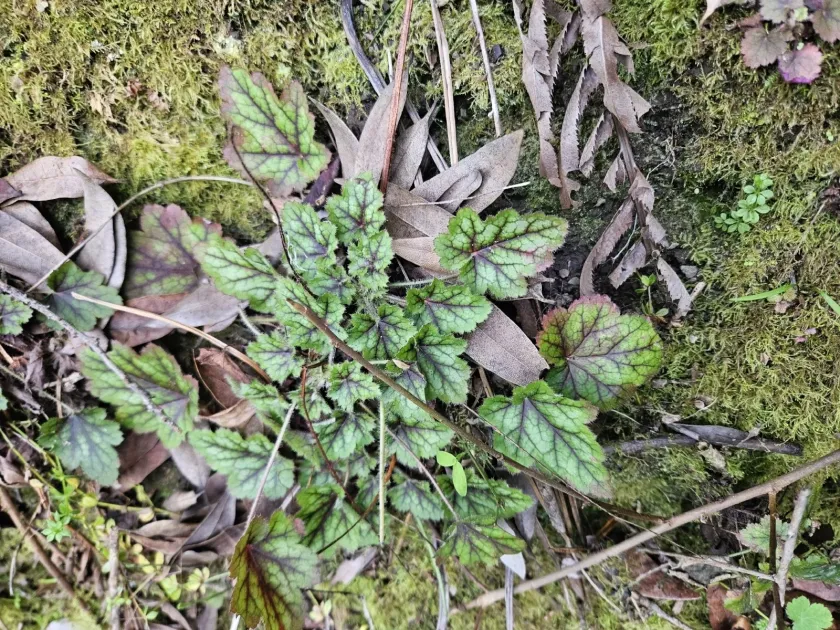
Description
Growing requirements
Heuchera brizoides, commonly known as a type of coral bells, belongs to the Saxifragaceae family. This ornamental hybrid is valued for its attractive foliage and dainty flower spikes that emerge in late spring or summer.
The crop thrives in well-drained, humus-rich soil with a neutral to slightly alkaline pH. Proper soil aeration is crucial for the development of the rhizomatous root system, which can easily suffer in compacted, waterlogged conditions.
While the plant can tolerate various light conditions, partial shade is ideal for its sustained health. Intense midday sun can cause the leaves to scorch, particularly in warmer climates, necessitating protection from direct heat.
Agricultural management requires consistent moisture levels without allowing the soil to become sodden. Applying a layer of mulch helps retain soil humidity and keeps the root zone cool during the heat of the summer months.
Regular maintenance includes dividing the clumps every three to four years to keep the plants vigorous. Because the plant naturally grows upwards over time, shallow planting or earthing up is necessary to protect the base of the crown from winter frost.
Main diseases and pests
Root rot is the most common physiological disorder, primarily caused by excessive soil moisture and poor drainage. Ensuring high-quality drainage is the primary defense strategy for growers.
Powdery mildew can occur during periods of high humidity and poor air circulation. Providing adequate spacing between individual plants is the best preventive practice for maintaining healthy foliage.
The black vine weevil is a significant pest that damages both the leaves and the roots. Larvae are particularly destructive to the root system, often going unnoticed until the plant shows signs of sudden decline.
Slugs and snails frequently feed on the succulent leaves of Heuchera during damp weather conditions. Physical barriers or organic molluscicides are recommended for effective population control in garden settings.
Leaf spots, caused by various fungal pathogens, may necessitate the use of fungicides. Growers should remove and destroy any infected leaves as soon as symptoms are detected to prevent further spread of the disease.