
American alumroot
Heuchera americana L.
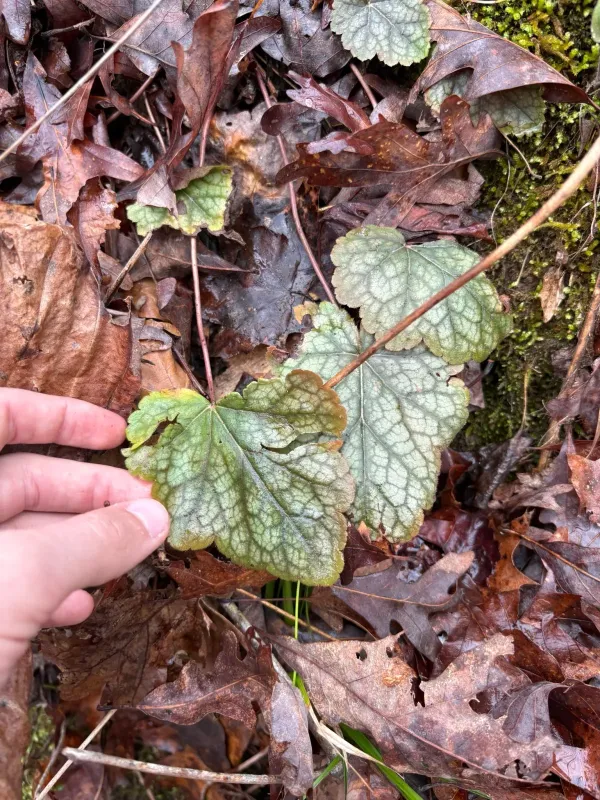
Description
Sowing dates
Heuchera americana is primarily propagated through division of the root clump. This process is best performed in early spring or late summer, allowing the plant to establish itself before the extreme temperatures of winter or summer arrive.
When growing from seeds, sow them in containers filled with well-draining soil mix in early spring. Seeds are extremely small and should not be covered with a thick layer of soil; pressing them lightly into the surface is sufficient.
Maintain consistent moisture and temperatures between 20-22 degrees Celsius to ensure successful germination. Seedlings typically emerge within 14 to 21 days and require careful handling during the transplanting phase.
Once the seedlings develop at least two sets of true leaves, they should be transplanted into individual pots to facilitate stronger root growth before being moved to an outdoor location.
When planting outdoors, choose a location that mimics their native forest floor habitat. Proper spacing is essential to encourage air circulation and prevent the development of mold or fungal issues.
Growing requirements
This species thrives in partial shade conditions with soil that is rich in organic matter, slightly acidic to neutral, and well-draining. It is an excellent choice for woodland gardens or shaded perennial borders.
The plant is sensitive to waterlogged conditions. If the native soil is heavy clay, amending it with sand or fine gravel is necessary to prevent root rot and ensure healthy growth.
While American alumroot is hardy, it benefits from a consistent moisture level throughout the growing season. Mulching around the base of the plant helps maintain soil humidity and protects the roots from temperature extremes.
Maintenance involves cutting back dead foliage in early spring to encourage fresh, vibrant growth. Additionally, since the crown tends to rise over time, adding a bit of fresh soil or compost each year is beneficial.
In terms of fertilization, a light application of a balanced, water-soluble fertilizer in early spring is generally sufficient to support the plant's nutritional needs without causing excessive, weak growth.
Main diseases and pests
Root rot is the most serious threat to the health of the plant, often resulting from poorly drained soil or excessive irrigation. Improving drainage and adjusting watering schedules are critical steps for recovery.
Fungal leaf spots can cause aesthetic damage and weaken the plant if left unchecked. Removing symptomatic leaves and applying appropriate fungicides can help mitigate the spread of the infection within the garden.
Slugs and snails are common pests that feed on the foliage, leaving large holes in the leaves. Using physical barriers, such as copper tape, or organic baits can effectively protect the plants from these mollusks.
Vine weevils can also cause significant damage by feeding on the roots and the base of the plant. Monitoring for early signs of wilting is important for early intervention and plant preservation.
By providing adequate space between plants and ensuring that irrigation is focused only on the roots rather than the foliage, the susceptibility to most common pests and diseases is significantly reduced.