
Coral bells
Heuchera sanguinea Engelm.
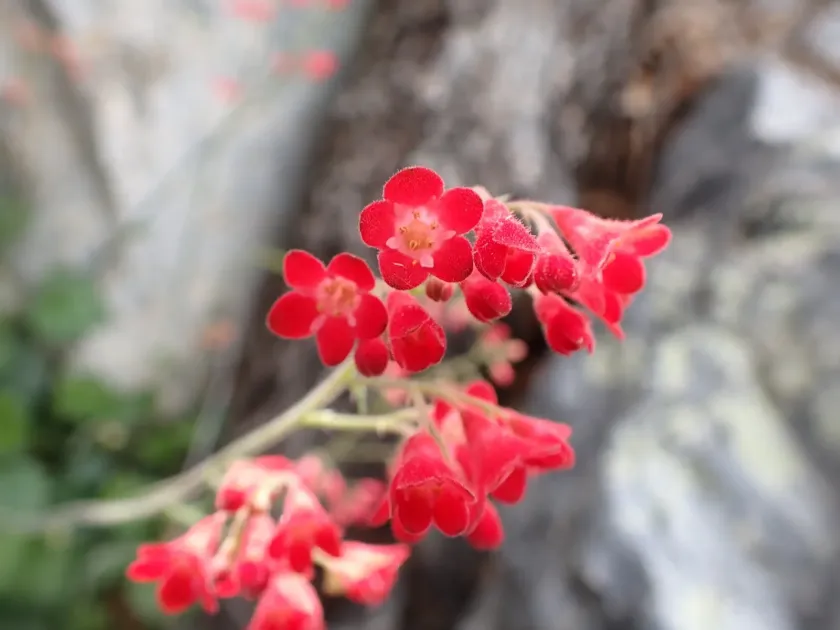
Description
Sowing dates
Coral bells (Heuchera sanguinea), a member of the Saxifragaceae family, is a popular perennial in ornamental horticulture. Its vibrant inflorescences make it a staple in professional landscaping and garden design.
Seeds are typically sown indoors in late winter. Due to their tiny size, seeds require light for germination and should be sown on the surface of the growing medium without being covered by soil.
Maintaining a consistent temperature of 20–22°C is essential for successful germination, which usually takes about two to three weeks. Providing adequate light and humidity is crucial for seedling development.
Once seedlings have two sets of true leaves, they are transplanted into individual containers. They are moved to the field after the danger of frost has passed, usually late in the spring season.
Vegetative propagation is achieved by dividing mature clumps in early spring or autumn. This process revitalizes the plant and ensures the health and uniformity of the planting stock.
Growing requirements
Native to the mountain regions of North America, Heuchera sanguinea thrives in cool, temperate climates. It prefers partial shade, which protects the foliage from burning during peak summer heat.
Well-draining, fertile soil is a non-negotiable requirement for this species. Waterlogged soil leads to rapid root decay, so adding organic matter or grit to heavy clay soils is highly recommended.
The ideal pH range for coral bells is slightly acidic to neutral. Regular application of balanced liquid fertilizers during the growing season promotes lush foliage and abundant flower spikes.
Proper irrigation involves watering the base of the plant to keep the leaves dry. Avoiding overhead irrigation helps minimize the risk of fungal infections that thrive in moist, stagnant conditions.
The plant is hardy in most temperate zones. While it is evergreen in many regions, removing old or damaged leaves in the spring encourages vigorous new growth as temperatures begin to rise.
Main diseases and pests
Root rot is the most common and devastating disease for coral bells, often caused by poorly drained soil or overwatering. Maintaining a strict watering schedule is the best preventive measure.
Rust and leaf spot fungi can affect the appearance and health of the plants. Fungicidal treatments should be applied at the first sign of discoloration to prevent the spread of the pathogen.
Root weevils are significant insect pests; their larvae feed on the root system, causing the plant to wither suddenly. Soil-applied insecticides are effective in managing infestations of this pest.
Slugs and snails frequently target the foliage during wet spells. Using physical barriers like diatomaceous earth or copper tape can protect younger plants from being decimated by these mollusks.
Nematodes are another potential threat, leading to stunted growth and leaf deformation. Ensuring that only clean, certified nursery stock is planted helps avoid the introduction of these pests.