
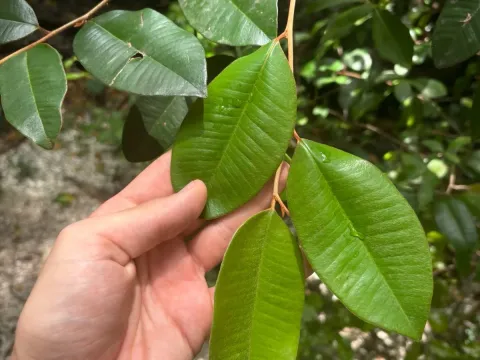
Satinleaf
Chrysophyllum oliviforme
Satinleaf Chrysophyllum oliviforme is a member of the Sapotaceae family, recognized for its evergreen foliage that features a stunning metallic or golden sheen on the underside of the leaves. This tropical tree can reach significant heights and is widely cultivated for both its ornamental value and its edible fruits.
What the section contains
Satinleaf
The plant originates from the tropical Americas, thriving in regions with high humidity and consistent warmth. It requires a well-draining soil profile, as its roots are particularly sensitive to anaerobic conditions caused by stagnant water or waterlogging, which often leads to root rot.
Optimal growth conditions involve full sun to partial shade. While juvenile plants benefit from protection against intense midday heat, mature specimens demonstrate high tolerance to direct sunlight, which is essential for maximizing fruit yield and maintaining the plant's structural integrity.
Regarding climate, the Satinleaf is best adapted to frost-free zones. While it possesses some degree of cold tolerance compared to other tropical species, prolonged exposure to temperatures near or below freezing will compromise the plant's health and development.
Standard agrotechnical practices include consistent watering schedules, especially during dry spells, and periodic fertilization with organic matter to support nutrient availability. Maintaining a layer of mulch around the base helps retain moisture and regulate soil temperature.
The fruit of the Satinleaf is a small, dark-colored drupe that turns purple or black when fully mature. These fruits are valued for their sweet, pulp-rich texture and are commonly consumed fresh by local populations or processed into jams and traditional beverages.
Beyond its culinary utility, the wood of Chrysophyllum oliviforme is highly regarded in local woodworking for its strength and fine grain. This dual-purpose utility makes it an attractive species for integration into agroforestry systems.
Common pests include scale insects and mealybugs, which can cluster on leaves and stems, sucking the sap and reducing the plant's vigor. Integrated pest management strategies, including the use of neem oil or targeted insecticides, are recommended for control.
Fungal diseases, such as leaf spot, are often associated with poor airflow and high humidity. Ensuring proper spacing between trees and performing regular pruning to open up the canopy are vital practices to mitigate these risks and promote long-term plant health.