
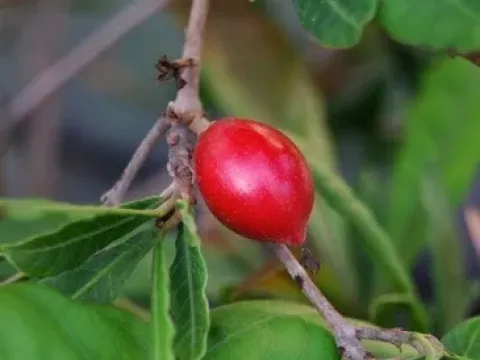
Saffron plum
Sideroxylon celastrinum
Saffron plum, known botanically as Sideroxylon celastrinum, belongs to the Sapotaceae family. It is a resilient evergreen shrub or small tree, often utilized in xeriscaping and coastal landscaping due to its impressive durability.
What the section contains
Saffron plum
The native habitat of this plant includes the Caribbean, parts of Florida, and Mexico. It is naturally adapted to dry forest environments, sandy soils, and coastal thickets, showing a remarkable ability to withstand harsh environmental conditions.
Cultivation of this species requires well-draining soil, preferably with alkaline or limestone composition. It thrives in full sun exposure, which is crucial for maintaining the plant's dense foliage structure and promoting its reproductive health.
Regarding climatic requirements, Saffron plum prefers warm, frost-free regions. It is highly drought-tolerant once established, requiring minimal supplemental irrigation, though it benefits from periodic moisture during the initial growth phases.
Economically, the plant is primarily valued for its role in ornamental horticulture and habitat restoration. Its strong, durable wood has historically been utilized for small-scale carpentry, while its berries serve as a food source for local bird populations.
Common pests affecting this species include scale insects and mealybugs, which tend to congregate on the underside of leaves. Root rot remains the most significant threat, typically caused by waterlogged soils or improper drainage during the rainy season.