
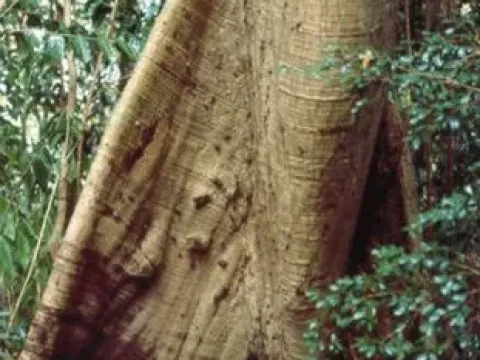
Pouteria semecarpifolia
Pouteria semecarpifolia
Pouteria semecarpifolia is a member of the Sapotaceae family. This evergreen tree is native to tropical environments, characterized by consistent temperatures and high moisture levels.
What the section contains
Pouteria semecarpifolia
The plant thrives in regions where the climate remains warm throughout the entire year, as it lacks any resistance to frost or significant temperature drops.
Ideal soil conditions include deep, nutrient-rich substrates with high organic content and excellent drainage to prevent root hypoxia and subsequent fungal rot.
Agronomic practices require consistent irrigation, particularly during fruit development, though the tree does not tolerate waterlogged soil under any circumstances.
Sun exposure should be managed, especially for saplings, which benefit from partial shade in their initial growth stages to avoid photo-inhibition and leaf scorching.
The primary economic use of Pouteria semecarpifolia is its edible fruit, which serves as a seasonal nutritional resource in its indigenous regions.
The wood of this tree is recognized for its durability and structural density, making it a valuable material for local woodworking and small-scale construction.
Crop yields are dependent on tree maturity and the implementation of nutrient management programs, including micronutrient supplementation during the flowering phase.
Harvesting is performed by skilled labor to ensure that fruits are picked at the optimal stage of physiological maturity without damaging the delicate skin.
The plant continues to be a subject of interest for sustainable agriculture projects aimed at preserving and utilizing indigenous tropical botanical resources.
Common pathological threats include various fruit rots and leaf spot diseases caused by moisture-loving fungi in poorly ventilated orchard conditions.
Pests such as scale insects and mealybugs are frequently observed, as they feed on sap and cause stunted growth if not controlled early in the season.
Effective management relies on a combination of cultural practices, such as canopy thinning, and the application of bio-rational pesticides to manage insect outbreaks.
Sanitation is paramount; fallen fruits and infected plant debris must be removed regularly to prevent the buildup of pathogens in the orchard soil.
Integrated pest management strategies are recommended to keep damage below the economic threshold while maintaining the safety of the harvest.