
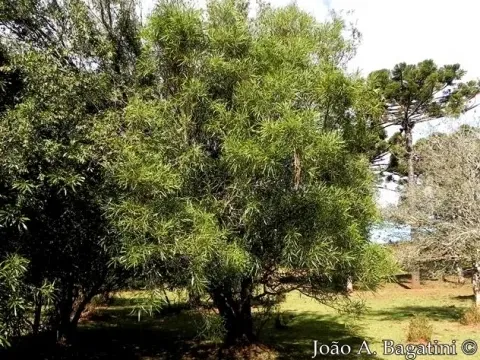
Pouteria salicifolia
Pouteria salicifolia
Propagation of Pouteria salicifolia is primarily achieved through seeds, which should be planted promptly after extraction from the fruit to ensure high germination rates. The optimal sowing time is during the spring when temperatures remain consistently warm.
What the section contains
Pouteria salicifolia
Use light, well-draining substrates with a neutral or slightly acidic pH for germination. Seeds should be buried approximately 2–3 centimeters deep in a soil mix containing sand, peat, and loam.
Maintaining a constant soil temperature of 24–28 degrees Celsius is essential for successful seedling development. It is crucial to keep the substrate moist but not waterlogged to prevent seed rot during the incubation period.
After the first true leaves appear, seedlings should be moved to individual pots. Gradual exposure to direct sunlight is necessary to acclimatize the young plants and prevent leaf burn from sudden changes in lighting.
Transplanting to the field is recommended when the tree reaches a height of at least 30–40 centimeters. At this stage, the root system is sufficiently developed to survive and grow in permanent growing conditions.
Pouteria salicifolia belongs to the Sapotaceae family and is native to the tropical forests of South America, including regions in Argentina, Brazil, and Paraguay. It thrives in humid, warm tropical climates.
The tree prefers sunny locations sheltered from strong winds, which can damage the foliage and young branches. While it can withstand occasional cool temperatures, it is highly sensitive to prolonged frost events.
The soil should be fertile and well-structured, offering excellent water drainage. Excessive standing water in the root zone is a common cause of poor health and plant mortality, making proper drainage management a priority.
Regular irrigation is vital during the active growing season, especially in regions with a distinct dry season. Insufficient moisture during the fruit-set period can lead to fruit drop and lower overall yields.
Apply balanced fertilizers with micronutrients to support growth. Mulching around the base of the tree is an effective technique to conserve soil moisture, regulate root temperature, and suppress weed growth.
Pouteria salicifolia is valued primarily for its edible fruits, which have a sweet, pleasant flavor and are used in various culinary applications, including jams, desserts, and fresh consumption.
Yield capacity is influenced by the tree's age and the level of agricultural management provided. Trees generally start producing fruit a few years after planting, with significant yields achieved at maturity (8–10 years).
Harvesting is performed in multiple stages because fruits on the tree mature unevenly. This staggered ripening allows for a steady supply of fresh product, which is advantageous for small-scale farmers.
The timber of this tree is known for its durability and is occasionally used in local woodcraft. It is resistant to decay, making it a potentially valuable asset for sustainable agroforestry projects.
Future agricultural potential for this crop lies in breeding varieties with shorter ripening periods and higher yield density. Ongoing research into local cultivars may further enhance its commercial viability.
The primary threats to Pouteria salicifolia are root rot diseases triggered by overwatering or poor soil drainage. Preventive measures include strictly monitoring irrigation levels and improving soil permeability.
Pests such as scale insects and mealybugs frequently target the leaves and young shoots, extracting sap and reducing the tree's vigor. Regular inspection is essential for early detection and mitigation.
Biological pest control is the preferred method, particularly for fruiting trees, to maintain food safety standards. Chemical insecticides should be used only as a last resort and with proper safety precautions.
Bacterial infections, which may enter through bark wounds, require immediate sanitary pruning to prevent systemic spread. All tools used for maintenance must be disinfected after each use to minimize disease transmission.
Monitor the plant's health periodically for symptoms like leaf yellowing or stunted growth. Addressing nutrient deficiencies and water-related stress promptly significantly reduces the risk of long-term plant damage.
Harvesting is conducted manually as the fruits are delicate and prone to physical bruising. Fruit maturity is signaled by a distinct change in skin color to a vibrant, bright yellow.
The ideal time for picking is during the early morning hours, which helps maintain the quality and shelf life of the fruits after harvest. Avoid squeezing the fruit when picking to prevent internal damage.
Immediate post-harvest sorting is crucial to separate damaged fruits from healthy ones. This minimizes the risk of pathogens spreading to the entire batch during storage or transit.
The shelf life of the fresh fruit is relatively short, requiring efficient logistics and distribution. Refrigerated storage with controlled humidity can help extend the window for sale and processing.
Systematic harvesting practices also benefit the tree by allowing it to redirect energy toward new bud development for the following season. Proper management ensures consistent productivity over the tree's lifespan.