
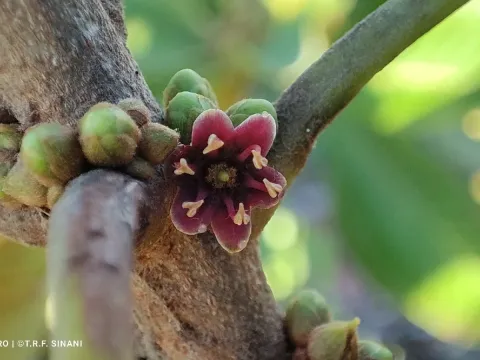
Pradosia
Pradosia
Propagation of Pradosia is primarily achieved through seeds, which require immediate sowing due to their short viability period. Seeds should be cleaned of pulp and planted in high-quality substrate to ensure successful germination.
What the section contains

Pradosia
In nursery settings, it is essential to maintain a warm and humid environment, with temperatures ideally ranging between 25 and 28 degrees Celsius. Careful moisture management is key to preventing seed decay.
Once seedlings emerge, they must be protected from direct sunlight, which can be harsh in tropical regions. Gradual exposure to stronger light helps harden off the plants before permanent field planting.
Transplanting is best performed at the onset of the rainy season to allow the root system to establish itself before the arrival of drier months. Proper handling of the root ball is crucial to minimize transplant shock.
Spacings for plantation establishment depend on the intended use of the trees, balancing the need for sufficient crown development with land efficiency in forestry projects.
Pradosia is a member of the Sapotaceae family and is native to the diverse ecosystems of tropical South America. It thrives in environments characterized by stable temperatures and consistent high rainfall.
The tree prefers deep, fertile soils with excellent drainage, such as well-structured loams. It is sensitive to waterlogged conditions, which can lead to rapid decline and root health issues.
High relative humidity is a major requirement for the healthy development of Pradosia trees. In regions with marked dry seasons, irrigation may be necessary to maintain growth rates.
Although adaptable, the trees prefer bright, open sites for optimal growth, though juvenile specimens benefit from the canopy cover typically found in their natural forest habitats.
Proper soil management, including mulching and organic amendments, supports the tree's health by maintaining soil temperature and structure, which are vital for vigorous root development.
The primary agricultural and economic focus for Pradosia is its timber, which is valued for its density and durability. It represents a long-term investment in sustainable forestry.
While the fruits of some species are edible, they are mostly harvested for local consumption rather than large-scale commercial production, contributing to local food security in some areas.
Successful timber yield requires long-term management practices that emphasize sustainable harvest methods. The quality of the wood is directly influenced by the site's nutrient availability and water access.
As an agroforestry species, Pradosia can be integrated into mixed-use landscapes, providing environmental benefits such as carbon sequestration and soil stabilization alongside timber production.
Predicting long-term yields involves careful monitoring of tree growth rates and stand density, ensuring that the plantation remains productive throughout the entire production cycle.
Insects and leaf-eating pests represent the most significant threat to young Pradosia plantations, as they can cause extensive foliage damage and hinder overall development.
Root diseases, often facilitated by poor soil aeration or excess moisture, are common challenges in tropical environments. These infections require proactive site selection and drainage management.
Parasitic plants and climbers often compete for space and nutrients, potentially stressing the tree and affecting the growth of the main stem, which is critical for timber quality.
Rodents and other mammals can cause damage by gnawing on the bark of younger trees, creating entry points for pests and pathogens that may permanently scar the wood.
Integrated pest management strategies, involving regular inspections and the maintenance of healthy, vigorous stands, are essential to minimize the impact of biotic stressors on the crop.