
Sarcosperma
Sarcosperma
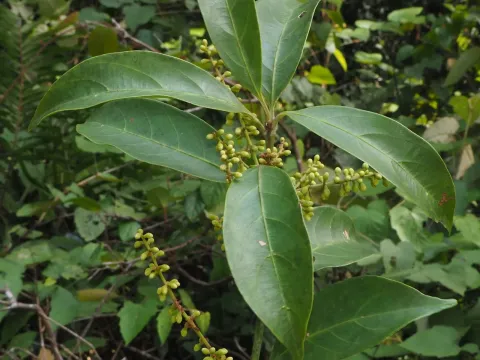
Sarcosperma is a genus of evergreen trees belonging to the Sapotaceae family. These plants are native to the tropical forests of Southeast Asia, ranging from China to the Philippines and Indonesia.
What the section contains
Sarcosperma
To successfully grow Sarcosperma, a tropical climate with high humidity is mandatory. The plants require a consistent rainfall pattern throughout the year, as they lack significant drought-tolerance mechanisms common to xerophytic species.
The choice of soil is crucial for this genus; they thrive in deep, nutrient-rich, and well-draining soils. While they need moisture, waterlogging must be strictly avoided to prevent root diseases and ensure healthy sapling development.
The temperature range must remain consistently warm, as Sarcosperma species are highly sensitive to cold stress. Any dip in temperature below the tropical threshold can severely inhibit growth or result in plant mortality.
Light management is another key factor for successful plantation. Young trees are typically shade-tolerant, making them suitable for forest understory environments, while mature trees require significant light exposure to maintain vigor.
The primary economic use of Sarcosperma is related to its timber. The wood is valued for its density and workability, making it a viable material for local construction and the production of specific furniture items.
Timber harvesting requires careful planning due to the slow-growth nature of these tropical trees. Sustainable forestry practices are essential to ensure the longevity of populations in their native habitats.
The process of drying and seasoning the wood is critical to maintaining its structural integrity. Proper storage and handling allow manufacturers to maximize the quality of the raw timber for industrial applications.
Beyond its use in forestry, Sarcosperma is recognized for its ornamental value in tropical landscaping. The dense, evergreen foliage provides excellent shade and aesthetic appeal for parks and public gardens in tropical climates.
Ongoing research is also exploring the phytochemical potential of the genus. Certain bark and leaf extracts have shown potential in traditional and modern applications, marking this culture as a subject for future biochemical studies.