
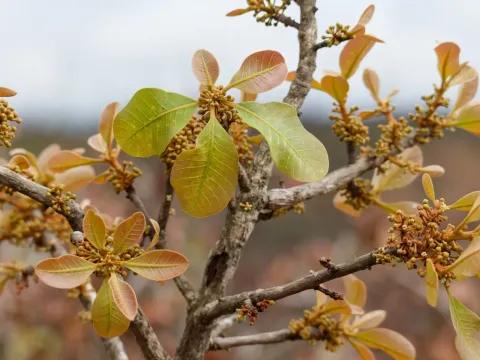
Pouteria ramiflora
Pouteria ramiflora
Pouteria ramiflora is a member of the Sapotaceae family, native to the tropical regions of South America. As an evergreen tree, it thrives in environments characterized by high humidity and consistent tropical temperatures. It is primarily known for its role in local ecosystems and its potential as a small-scale fruit crop.
What the section contains
Pouteria ramiflora
The plant requires deep, well-drained, fertile soils to reach its full productive potential. It is sensitive to waterlogging, so careful site selection or the creation of raised beds is essential in areas with heavy clay soils. It flourishes in tropical climates where the temperature remains stable throughout the year.
Agricultural management involves careful irrigation during the establishment phase and protection from intense, direct tropical sun during the early years of growth. Once established, the trees are relatively robust, though they require routine maintenance to ensure proper branching and canopy development for easier harvesting.
Botanically, the plant is characterized by its latex-containing tissues and leathery leaves. The fruits, which are the main focus of its agricultural value, provide a sweet, palatable pulp. The species is highly adapted to competition within the tropical forest understory, but performs best in managed plantations.
Its economic importance is localized, centered on fresh consumption and potential processing into artisanal products. Ongoing research into the genetic diversity of Pouteria ramiflora may yield future varieties with improved harvest timing and increased disease resistance for commercial growers.
Fungal pathogens represent the most significant threat, particularly in regions with heavy rainfall. Foliar diseases can significantly reduce the vitality of the trees, especially if the canopy density is not managed through periodic pruning. Air circulation is the most effective preventative measure against such outbreaks.
Pest issues include various sap-sucking insects, such as mealybugs and scale, which target the tender shoots and fruits. Effective management requires constant monitoring and the use of targeted biological controls where possible. Healthy trees are generally more resilient to such infestations, highlighting the importance of proper soil management.