
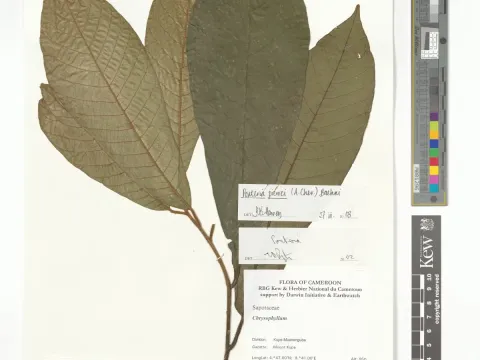
Pouteria pierrei
Pouteria pierrei
Pouteria pierrei is a robust evergreen tropical tree belonging to the Sapotaceae family. Known for its dense canopy and strong wooden structure, this species thrives in tropical environments characterized by high humidity and consistent warmth throughout the year.
What the section contains
Pouteria pierrei
The natural habitat of this species is found in the dense tropical forests of Southeast Asia. Due to its evolutionary background, the tree requires a climate devoid of frost and extreme temperature fluctuations to maintain optimal metabolic activity and fruit production.
Regarding soil requirements, Pouteria pierrei demands deep, fertile, and well-draining substrates. The plant is highly sensitive to waterlogging; therefore, heavy clay soils must be amended with organic matter and drainage systems to prevent root rot and physiological stress.
Agricultural practices for this crop focus on creating an environment that mimics the understory or edge of a tropical forest. Young trees generally benefit from partial shade, while mature specimens adapt well to full sun exposure, provided there is adequate soil moisture.
The economic and agricultural utility of the tree is significant, primarily driven by its edible fruit. Beyond its culinary value, the tree is often integrated into agroforestry systems, where it provides structural timber and acts as an essential component of the local tropical ecosystem.
Yield capacity in Pouteria pierrei is influenced by age, site selection, and nutrient management. Trees typically reach their productive potential after several years of growth, providing a steady supply of fruit during their designated harvest seasons.
To maximize yields, intensive orchard management is recommended, including the application of balanced organic fertilizers. Ensuring an appropriate supply of potassium during the fruit-set phase is critical for improving the quality and size of the final harvest.
Climate variability is a major factor impacting annual production. While the tree is adapted to tropical conditions, significant shifts in rainfall patterns can disrupt the flowering cycle and reduce the total volume of fruit collected per tree.
Techniques such as canopy pruning are utilized to enhance light penetration and airflow, which directly correlates with increased photosynthetic efficiency and yield. Maintaining a manageable tree height also facilitates safer and more efficient manual harvesting operations.
Research into selecting high-yielding varieties is ongoing to improve the commercial viability of Pouteria pierrei. By utilizing cloning and grafting techniques, growers can establish plantations with uniform production characteristics and disease resistance.
Pouteria pierrei faces several threats, primarily from fungal pathogens that thrive in high-humidity tropical conditions. Root rot is a common issue when soil aeration is poor, leading to rapid decline in overall tree health.
Insect pests, particularly wood-boring beetles, pose a significant risk to the structural integrity of the trunks and branches. Leaf-eating insects can also reduce the photosynthetic capacity of the trees, negatively impacting growth rates and fruit yield.
Effective plant protection strategies involve integrated pest management (IPM), emphasizing the use of biological controls and prophylactic pruning. Regularly removing dead plant material helps reduce the inoculum levels of pathogens in the orchard.
Nutritional deficiencies often manifest as chlorosis or stunted growth, making the trees more susceptible to secondary attacks by pests and diseases. Regular soil testing is vital for providing the necessary macro- and micronutrients to maintain vigor.
Vigilant monitoring and early detection of symptoms are crucial for the sustainability of Pouteria pierrei orchards. By implementing regular inspections and maintaining ecological balance, growers can mitigate the impacts of various biotic stressors effectively.