
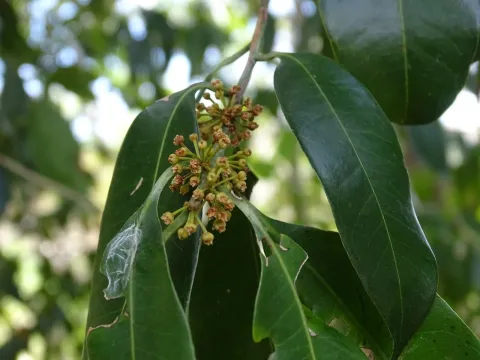
Pouteria reticulata
Pouteria reticulata
The propagation of Pouteria reticulata is primarily conducted via seeds, which helps maintain the genetic diversity of the species. Seeds require preliminary scarification and are sown into a light, nutrient-rich substrate with high organic content.
What the section contains
Pouteria reticulata
The optimal time for sowing in nurseries coincides with the beginning of the rainy season, ensuring that young sprouts receive the necessary level of air humidity. It is crucial to maintain soil temperatures above 25 degrees Celsius to ensure successful germination.
Transplanting seedlings into open ground is carried out once they reach a height of 30–50 centimeters, usually 8–12 months after germination. Planting pits must be prepared in advance and enriched with compost to improve soil structure.
In commercial operations, grafting onto rootstocks of related Sapotaceae species is practiced to accelerate the transition of the tree into the fruiting phase. This method significantly reduces the juvenile development period of the plant.
During the care of young plantations, protection from direct sunlight is critical; therefore, the use of shading nets or planting in naturally semi-shaded conditions is standard practice for nursery management.
Pouteria reticulata is a typical representative of tropical flora and requires consistently high temperatures without sharp seasonal fluctuations. The plant is highly sensitive to frost, which can result in the loss of the entire above-ground part of the tree.
For optimal growth, the crop requires deep, well-drained soils with an acidic or neutral pH. Waterlogging is detrimental to the roots, so sites with a high water table are unsuitable for commercial cultivation.
Agronomic management includes regular fertilization with complex mineral nutrients containing essential trace elements. As the plant originates from forest ecosystems, it responds well to mulching the root zone with organic residues.
In regions with a distinct dry season, the installation of a drip irrigation system is mandatory. Moisture deficiency during the fruit formation phase leads to mass fruit drop and a significant decrease in product quality.
The plant prefers humid tropical forests where rainfall is evenly distributed throughout the year. In drier climatic zones, crop productivity declines, necessitating more intensive maintenance and irrigation management.
The yield of Pouteria reticulata depends on the age of the tree and growing conditions, with peak productivity occurring around the 7th to 10th year of life. A mature tree is capable of producing significant quantities of fruit with proper management.
Fruits are formed on current-year branches and partially on older wood, making the tree visually appealing during the ripening stage. It should be noted that the crop may exhibit a tendency toward alternate bearing.
The commercial value of the species lies in the edible pulp of the fruits, which is highly prized in local culinary traditions. Although the crop is rarely a primary export commodity, it is highly sought after in local markets as a nutrient source.
Harvesting is mainly performed manually as fruits reach their characteristic color and softness. Crop quality directly depends on the light intensity within the canopy, making strategic pruning an essential tool for increasing production yield.
Standard yields per hectare in commercial plantations can vary depending on planting density, soil fertility, and the specific agrometeorological conditions of the cultivation region.
The main threats to the crop are root fungal diseases, which develop due to improper irrigation practices. Phytophthora and root rots can devastate young trees, especially in heavy clay-based soils.
Among pests, the greatest danger comes from insects that damage fruits and foliage, particularly various species of aphids and scale insects. These pests weaken the tree, rendering it vulnerable to secondary infections and systemic decline.
Pest management is complicated by the need to adhere to ecological standards, so preference is given to biological control methods. Use of synthetic insecticides is permitted only during severe infestations and in the early stages of growth.
Nematodes are also a critical factor, particularly in light sandy soils where they damage the root system. Prevention involves using high-quality planting material and maintaining cleanliness in the tree row.
Regular monitoring of leaf condition allows for the timely detection of the first signs of parasites, enabling localized containment measures before the infestation spreads across the entire plot.
Harvesting Pouteria reticulata requires careful handling due to the delicate skin of ripe fruits. The harvesting process is extended over time because ripening often occurs unevenly even within a single tree canopy.
Maturity is determined using sensory indicators: changes in skin color and slight softness when pressed. Harvesting too early results in a loss of flavor, as the fruits do not always ripen properly off the tree.
Harvested fruits lose their market appeal rapidly at room temperature, making immediate processing or distribution recommended. Cooling the fruits to specific temperatures can extend shelf life by several days.
During the harvest, special tools with soft grips are used to avoid mechanical damage to the fruit surface. Injured specimens are prone to rapid decay and the development of mold, which can affect adjacent healthy fruits.
Transportation requires the use of ventilated crates to prevent crushing. This ensures the integrity of the produce during transit from the plantation to the marketplace.