
Pouteria nordestinensis
Pouteria nordestinensis
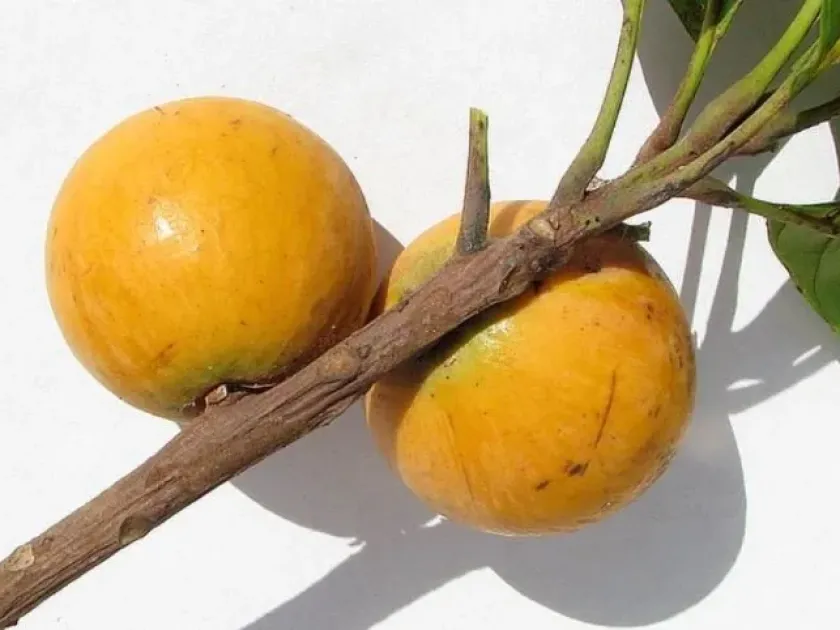
Description
Growing requirements
Pouteria nordestinensis is a member of the Sapotaceae family. This evergreen woody plant is endemic to the tropical forests of the northeastern regions of Brazil, characterized by high biodiversity.
To ensure proper development, this crop requires the conditions of a hot and humid tropical climate. It thrives in well-drained, fertile soils rich in organic matter, typical of the Atlantic Forest ecosystem.
In its natural habitat, the plant is highly sensitive to extreme temperature fluctuations. It requires a stable temperature range between 22 and 30 degrees Celsius throughout the year.
Agricultural management involves regular monitoring of substrate moisture levels. The plant is poorly tolerant of both prolonged dry spells and waterlogging in the root zone, which can trigger root rot.
This crop is valued for its edible fruits, which are consumed fresh. The wood of certain Pouteria species is also used in woodworking due to its significant density and durability.
Main diseases and pests
The primary threats to this plant are tropical insect pests such as scale insects and mealybugs. These pests damage young shoots and leaves, depleting the tree's vital resources.
Fungal diseases, which develop in conditions of high humidity and poor canopy ventilation, also pose a serious risk. Specifically, anthracnose can affect both the foliage and the developing fruits.
Soil-borne nematodes can attack the root system of young saplings. It is recommended to perform preventive soil treatment before transplanting to the permanent location.
To minimize the risks of disease outbreaks, it is essential to follow a proper planting scheme that ensures sufficient air circulation between tree canopies.
Monitoring the tree's health involves regular visual inspections of trunks and the undersides of leaves. If signs of infestation appear, the use of biological plant protection methods is recommended.