
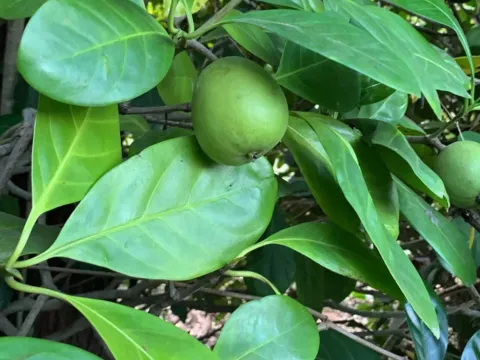
Pouteria multiflora
Pouteria multiflora
Pouteria multiflora, commonly known as the pigeon berry or acapu, belongs to the Sapotaceae family. It is a large, evergreen tropical tree that serves as both a source of high-quality timber and edible fruit in its native Caribbean and South American regions.
What the section contains
Pouteria multiflora
The tree requires a tropical climate with high humidity and consistent annual temperatures. It is intolerant of frost, meaning its cultivation is strictly confined to frost-free tropical zones where it thrives in lush, humid environments.
Soil requirements include deep, fertile, and well-drained substrates. While the plant appreciates moisture, it cannot tolerate waterlogging, which rapidly leads to root system compromise and fungal proliferation.
Agronomic practices should focus on maintaining soil fertility through organic amendments. Young trees require shade to establish their root systems before being exposed to full direct sunlight as they mature.
Due to its potential size, spacing is critical in plantation settings. Regular pruning during the formative years ensures a strong, central trunk, which is essential for future timber quality.
The primary commercial value of Pouteria multiflora lies in its timber, marketed as 'acapu'. This wood is highly valued for its extreme density, durability, and resistance to decay, making it suitable for high-end carpentry and construction.
The fruit is edible and consumed locally, containing pulp that is sweet and fibrous. While not yet a major global commodity, it provides nutritional value within local agroforestry systems.
The tree plays a significant role in erosion control. Its expansive root system and constant litterfall contribute to soil conservation, particularly on sloping lands prone to degradation.
Research into the phytochemical properties of its leaves and bark is ongoing, suggesting potential applications in the development of natural extracts for various industrial and medicinal purposes.
Sustainable harvesting of the timber requires long-term rotation cycles. Proper management of these cycles ensures that the ecosystem remains productive while yielding high-quality wood products.
Root rot is the most significant threat to the tree, typically caused by poor drainage or over-irrigation. Ensuring adequate soil aeration and slope drainage is the most effective preventative measure.
Scale insects and mealybugs are common pests that colonize the foliage and young twigs. Integrated pest management (IPM) strategies, including the use of beneficial insects, are recommended for large-scale plantations.
Leaf miners can cause aesthetic and minor physiological damage to the foliage, which is often managed by maintaining high plant vigor through proper fertilization and irrigation schedules.
Fungal infections of the bark are often secondary to physical wounds. Any pruning must be performed with sterilized equipment, and wounds should be treated to prevent pathogen entry.
Wildlife, specifically birds and small mammals, can cause substantial fruit losses. Protecting the harvest in commercial orchards often requires the use of specialized netting or noise-based deterrents.