
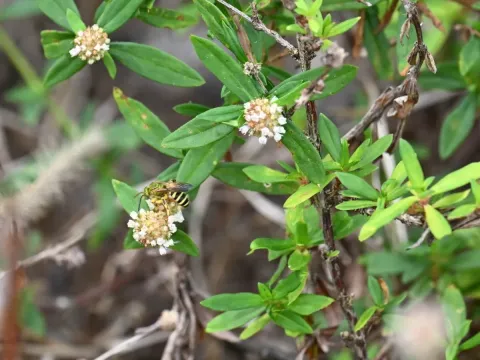
Spermacoce verticillata
Spermacoce verticillata
Spermacoce verticillata, commonly known as shrubby false buttonweed, is a perennial herb belonging to the Rubiaceae family. This species is native to tropical America and has become widely naturalized throughout tropical regions globally, including Africa and parts of Asia.
What the section contains
Spermacoce verticillata
The plant thrives in well-drained soils and shows remarkable adaptability to various soil types, ranging from sandy to clay-loam textures. While it can tolerate nutrient-poor soils, it exhibits optimal growth when the substrate is enriched with organic matter and maintains a slightly acidic to neutral pH.
As a light-demanding species, Spermacoce verticillata requires full sun exposure for vigorous development. Adequate light is crucial not only for biomass accumulation but also for the synthesis of secondary metabolites within its tissues.
Climatic requirements are strictly tropical, as the species is sensitive to cold stress and freezing temperatures. The ideal temperature range for year-round cultivation lies between 22°C and 30°C, ensuring rapid vegetative growth and flowering.
Economically, the plant is valued for its traditional medicinal properties, particularly in treating skin conditions and inflammatory disorders. Furthermore, it serves as a valuable nectar source for pollinators, playing a positive role in local biodiversity and apiculture.
Fungal infections represent the primary threat to the crop, especially in humid environments where air circulation is insufficient within the plant canopy.
Pests such as aphids and spider mites can infest the foliage, particularly during dry spells, causing chlorosis and stunted growth of the young shoots.
Root rot is a significant concern in fields with poor drainage, often leading to rapid decline and mortality of the plants during the rainy season.
Leaf spot pathogens can negatively affect the quality of the herbal harvest by reducing the photosynthetic surface area and inducing premature leaf senescence.
Effective management strategies include implementing wider spacing to enhance ventilation, consistent water management to avoid saturation, and regular scouting for early signs of pest outbreaks.