
Sweet-scented bedstraw
Galium triflorum
Sweet-scented bedstraw (Galium triflorum) belongs to the Rubiaceae family. It is a perennial herbaceous plant typically found in moist, shaded forest habitats across the Northern Hemisphere.
What the section contains
Sweet-scented bedstraw
The plant is native to temperate regions of Eurasia and North America. It thrives in loamy, nutrient-rich soils that retain moisture without becoming waterlogged, reflecting its natural forest floor environment.
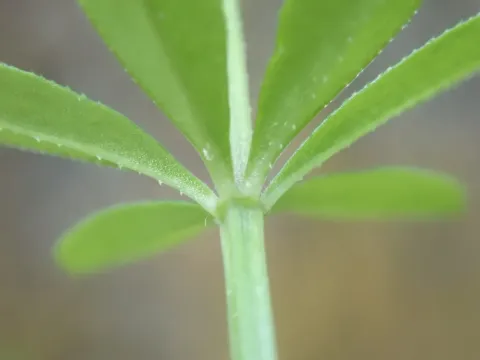
Botanically, it is characterized by its trailing, square stems and whorls of fragrant, lanceolate leaves. When dried, the plant emits a pleasant scent due to the presence of coumarin.
Environmental requirements include shaded or semi-shaded locations with high atmospheric humidity. It is sensitive to intense direct sunlight and prolonged periods of drought, which inhibit its growth cycle.
Economically, it has historically been used in folk medicine and for scenting materials. Its potential for commercial cultivation is linked to the extraction of essential aromatic compounds.
Common diseases affecting this species include powdery mildew and various fungal rusts that thrive in stagnant, high-humidity microclimates during the growing season.
Pests such as aphids, mites, and leaf-mining insects often target the foliage and succulent stems, which can significantly reduce the overall yield and quality of the raw material.
Root rot is a major threat in poorly drained soils, often exacerbated by over-irrigation. Proper soil aeration is essential to prevent these physiological and pathogenic issues.
Integrated pest management strategies are recommended to maintain plant health, focusing on crop rotation and the maintenance of adequate spacing to ensure proper air circulation.
Regular monitoring of the plants for early symptoms of infestation is crucial to minimize the need for chemical interventions, especially in medicinal plant production.