
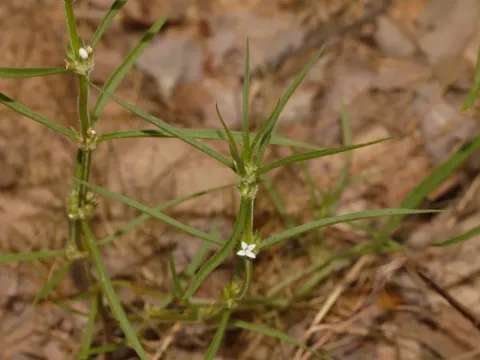
Spermacoce subvulgata
Spermacoce subvulgata
Spermacoce subvulgata belongs to the Rubiaceae family. It is a herbaceous plant that thrives in tropical environments, characterized by its resilient nature and specific growth habits typical of the genus.
What the section contains
Spermacoce subvulgata
The botanical structure is marked by opposite leaves and compact inflorescences. The root system is well-developed, allowing the plant to effectively anchor in various soil types while absorbing necessary nutrients.
Climate-wise, the plant prefers warm, humid conditions with sufficient solar exposure throughout the day. It is essential to ensure that the area of cultivation remains free from extreme cold or frost, which can be fatal to the crop.
Soil requirements focus on high permeability and moderate fertility. Proper drainage is crucial to prevent root rot, which often occurs in stagnant water conditions during the wet season.
Standard agronomic practices include site preparation through plowing and the addition of compost to enhance soil structure, ensuring that the environment is conducive to healthy seedling development.
The primary threats to this culture involve fungal pathogens that target the root system or foliage when moisture levels are poorly controlled. Maintaining dry, well-ventilated conditions is the best preventive strategy.
Insects such as aphids and leaf miners are known to affect the crop. These pests can significantly reduce the vitality of the plant if not addressed during the early stages of infestation.
Farmers should implement scouting programs to detect early signs of pest damage, allowing for targeted interventions rather than blanket chemical applications across the field.
Weed competition is another critical factor. Without proper weeding, surrounding vegetation may outcompete the crop for essential sunlight and water, leading to lower biomass yields.
Strategic crop rotation and the use of resistant varieties, where available, can significantly mitigate the risk of disease outbreaks and maintain the long-term productivity of the planting site.