
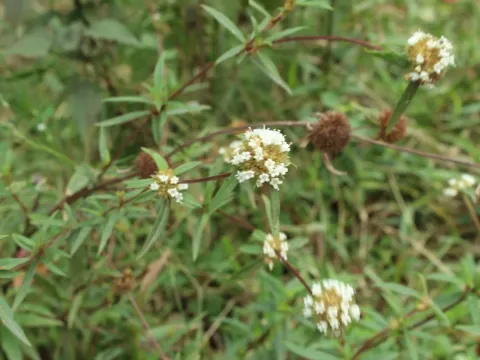
Spermacoce suaveolens
Spermacoce suaveolens
Spermacoce suaveolens is a herbaceous plant belonging to the Rubiaceae family. Native to the tropical regions of South America, it thrives in warm, humid conditions that support its consistent vegetative development throughout the season.
What the section contains
Spermacoce suaveolens
The plant demands well-drained soil with a slightly acidic to neutral pH level. It is essential to ensure that the soil structure remains loose to facilitate root penetration and prevent the risk of waterlogging, which the plant is highly sensitive to.
Full sun exposure is a critical requirement for this species. In cultivation, positioning the crop in areas receiving at least 6 to 8 hours of direct sunlight is necessary to maximize its photosynthetic capacity and overall health.
The ideal temperature range for growth is between 22 and 28 degrees Celsius. Sustained cold temperatures inhibit metabolic processes, and exposure to frost will typically lead to the rapid mortality of the plant.
Water management is fundamental to its agronomy. Regular, moderate irrigation is preferred over heavy, infrequent watering. Maintaining consistent soil moisture without saturation is the key to achieving optimal biomass production.
Fungal diseases, particularly those affecting the foliage, pose the most significant threat to the crop. Excessively high humidity levels often trigger outbreaks of powdery mildew and leaf spot diseases.
Pest populations such as aphids and spider mites can rapidly colonize Spermacoce suaveolens. These pests primarily target the tender new growth, causing stunted development and yellowing of the leaves if left untreated.
Implementing an integrated pest management strategy is vital. This includes regular scouting of the field to identify early signs of infestation and applying localized treatments to keep pest numbers below the economic threshold.
Nematodes represent an often overlooked but serious threat, especially in sandy soils where monoculture practices have been employed for multiple years. Crop rotation is the most effective preventative measure.
Weed management during the establishment phase is crucial. Because the initial growth rate of the crop can be relatively slow, competition from aggressive weeds can easily compromise the yield and overall stand density.