
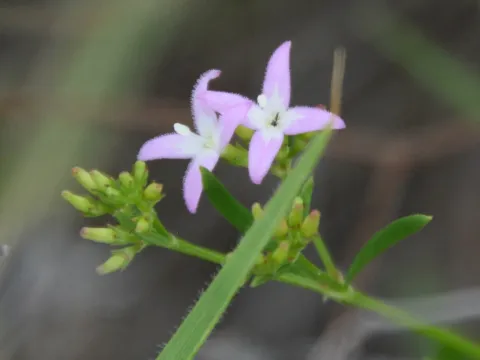
Stenaria
Stenaria
Stenaria is a genus of herbaceous plants belonging to the Rubiaceae family. While not a conventional agricultural crop, it is recognized for its botanical significance and potential utility in landscaping and botanical research.
What the section contains

Stenaria
The genus originates from North America, primarily inhabiting regions characterized by temperate climates. These plants have naturally evolved to thrive in well-drained, rocky or sandy soil environments, often found on slopes and open clearings.
Botanically, Stenaria plants are distinguished by their opposite leaf arrangement and specific floral morphology typical of the Rubiaceae family. Their root systems are robust, allowing them to extract nutrients efficiently from relatively nutrient-poor substrates.
For successful cultivation, Stenaria requires soils with excellent drainage properties. A neutral or slightly acidic pH balance is considered optimal for the sustained growth and development of these perennial herbs.
Agrotechnical management focuses on providing sufficient solar exposure. Plants grown in shaded conditions often exhibit weakened stems and reduced flowering capabilities, making location selection a primary factor for successful plant management.
The primary threats to Stenaria are fungal pathogens, which frequently develop in conditions of excessive soil moisture. Root rot is a common issue arising from poor drainage or over-irrigation during the growing season.
Insect pests, specifically spider mites and aphids, represent a recurring challenge. These pests tend to infest the plant during prolonged dry spells, necessitating proactive monitoring and, if required, targeted intervention.
Effective plant health management involves maintaining adequate spacing to ensure proper air circulation, which helps reduce the humidity levels that facilitate fungal growth around the base of the plant.
Weed control is essential, as competing flora can serve as vectors for various plant diseases and harbor insect populations that pose a risk to the development of Stenaria stands.
Integrated pest management strategies, including the use of systemic fungicides and environmentally safe insecticides, are recommended when infestations exceed established economic thresholds.