
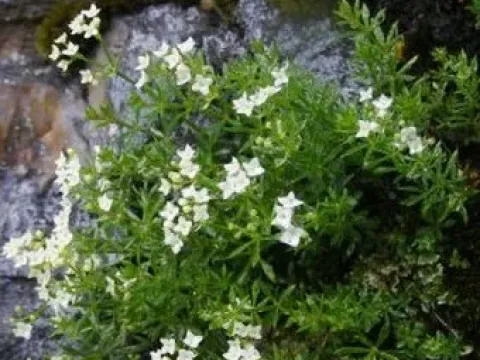
Sudeten bedstraw
Galium sudeticum
Sudeten bedstraw (Galium sudeticum) is a perennial herbaceous plant belonging to the Rubiaceae family. This species is highly specialized, primarily occurring in the high-altitude regions of Central Europe where it occupies specific alpine niches.
What the section contains
Sudeten bedstraw
The plant exhibits unique botanical features, including a compact growth habit that allows it to survive in harsh, windswept environments. Its leaves are typically arranged in whorls, a characteristic trait of the genus Galium, optimized for moisture retention in rocky terrains.
Regarding soil requirements, the species demands a well-drained, porous substrate, preferably rich in limestone. Heavy, water-retaining soils are unsuitable as they quickly lead to root decay and the decline of the plant population under cultivation.
Climatic preferences are centered around cool temperatures and high light exposure. In an agricultural or greenhouse setting, it is essential to replicate alpine conditions, providing sufficient ventilation and avoiding high humidity which can cause thermal stress.
While not a traditional industrial crop, Sudeten bedstraw is valuable for botanical research and biodiversity preservation. Its chemical profile, characteristic of the Rubiaceae family, is subject to ongoing studies regarding potential secondary metabolites.
The primary threats to this species include fungal infections, specifically root rot, which is triggered by poor drainage and stagnant moisture. Maintaining strict irrigation control is crucial for preventing these pathogen-related issues.
Pests such as aphids and specific mite species can pose significant risks in controlled environments. Due to the plant's delicate structure, these pests can weaken the overall health of the crop rapidly if not managed through early detection.
Weed competition represents a major challenge in cultivation. Given the species' slow growth rate, it struggles against fast-growing competitors, necessitating manual weeding and careful maintenance of the substrate surface.
Environmental stressors related to climate change significantly impact its natural range. Increased temperatures can lead to the proliferation of pests and diseases that are typically suppressed in the colder alpine environment.
Effective management requires a proactive approach to sanitation and environmental control. Avoiding dense planting patterns is a key strategy to ensure adequate airflow, which is the best defense against airborne and soil-borne diseases.