
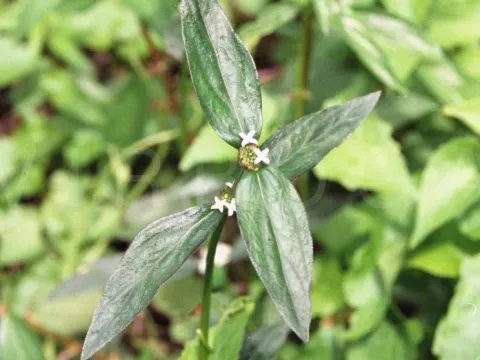
Spermacoce setidens
Spermacoce setidens
Spermacoce setidens is a member of the Rubiaceae family. This species is gaining attention in botanical research due to its resilient nature and specific physiological adaptations to tropical soil conditions.
What the section contains
Spermacoce setidens
Originating from South America, the plant is naturally adapted to regions with consistent high temperatures and seasonal rainfall. It flourishes in environments where the climate remains frost-free throughout the entire growing season.
Regarding soil requirements, the plant prefers light-textured, well-draining soils. Proper soil aeration is crucial to prevent root asphyxiation, which can occur if the plant is grown in overly compact or clay-heavy substrates.
The cultural cycle demands high light intensity. When considering agricultural placement, selecting plots with southern exposure or minimal shading ensures the energy necessary for the plant's metabolic processes.
Cultivation practices involve precision seeding and row maintenance. Regular irrigation schedules are required, particularly during the establishment phase, to ensure uniform stand density and healthy plant development.
Root pathogens are the primary concern in poorly drained soil. Fungal diseases often manifest as wilting or stem rot; therefore, moisture management is the primary defense strategy for farmers.
Pests such as mites and leaf-feeding insects may target the foliage during the warmest parts of the season. Integrated pest management, focusing on early detection and biological control, is recommended.
Weed infestation poses a significant threat to young plants, as they may be easily outcompeted for soil nutrients and light. Cultivation or mulching should be employed to mitigate these effects early on.
Nutrient deficiencies, particularly regarding trace minerals, can lead to chlorosis. Regular soil testing allows for precise fertilization adjustments that maintain optimal plant vigor throughout the cycle.
To reduce risk, producers should implement a crop rotation schedule. Avoiding continuous planting of the same family in the same plot prevents the buildup of soil-borne pathogens and long-term yield decline.