
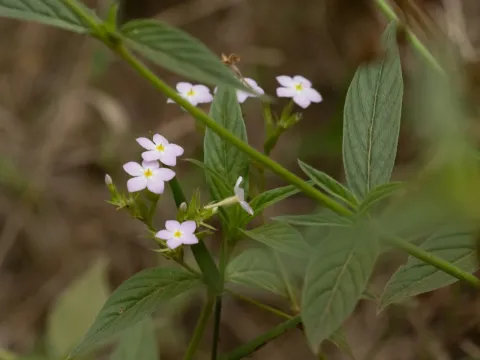
Sipanea
Sipanea
Sipanea is a genus of flowering plants belonging to the family Rubiaceae. These plants are native to the tropical ecosystems of Central and South America, where they typically thrive in humid environments such as riverbanks and shaded forest edges.
What the section contains

Sipanea
Botanically, species of the Sipanea genus are characterized by herbaceous stems and opposite leaves, often featuring delicate, tubular flowers arranged in terminal clusters. The diversity of the genus reflects its evolutionary adaptation to specific microclimates within rainforests.
The successful cultivation of this genus depends heavily on maintaining a high level of ambient humidity and consistent soil moisture. It is essential to replicate the warm, stable climate of its native range to prevent stress and ensure continuous flowering throughout the growth cycle.
Soil composition must prioritize organic content and excellent drainage to mimic the leaf litter layers of tropical habitats. Growers should avoid waterlogged conditions, which can lead to rapid root decay, common in many species of the Rubiaceae family when grown in containers.
While Sipanea is not classified as a major commodity crop, it remains a subject of interest in botanical research and rare plant collections. Understanding its specific biological needs provides valuable insight into the broader ecology of tropical Rubiaceae.