
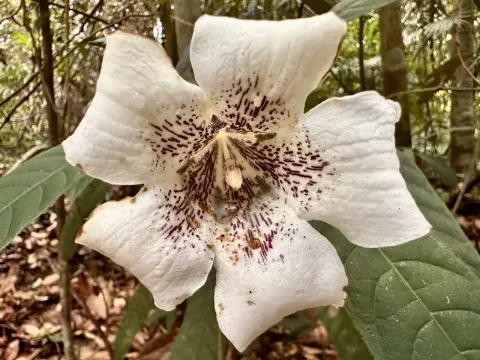
Singaporandia
Singaporandia
Sowing the crop in temperate climates is recommended during the second decade of May, when soil temperatures reach 12-14 degrees Celsius.
What the section contains

Singaporandia
In southern regions, late-autumn sowing is possible to obtain an early harvest, although high-quality mulching is required to protect the seeds.
The planting depth ranges from 3 to 5 centimeters, depending on the mechanical composition and moisture levels of the specific field.
The optimal planting pattern involves row spacing of 45-60 centimeters to ensure adequate insolation for the young seedlings.
An essential step is pre-sowing seed treatment, which includes calibration and seed dressing to prevent soil-borne infections.
Singaporandia prefers fertile loam soils with a neutral or slightly acidic pH level for optimal growth and nutrient uptake.
The crop is highly sensitive to excessive moisture, and it is strictly recommended not to plant it in waterlogged areas with high groundwater levels.
For the healthy development of vegetative mass, the plant requires intense sunlight throughout the daylight hours.
Applying organic fertilizers, such as well-rotted compost, during autumn tillage significantly improves overall crop yield.
Mineral nutrition must be balanced across primary elements—nitrogen, phosphorus, and potassium—tailored to the active growth phase.
The primary threat to this crop includes fungal diseases that proliferate during prolonged periods of rainfall and high air humidity.
Among pests, sucking insects cause the most significant damage to the leaf blades and stems during the initial vegetation period.
An effective control method involves performing preventive applications of broad-spectrum fungicides during critical development stages.
Strict adherence to crop rotation is necessary, avoiding the return of Singaporandia to the same field for at least three years after the previous harvest.
Regular weeding reduces the risk of viral infections, which are often transmitted by various types of garden insects.