
Sipanea pratensis
Sipanea pratensis
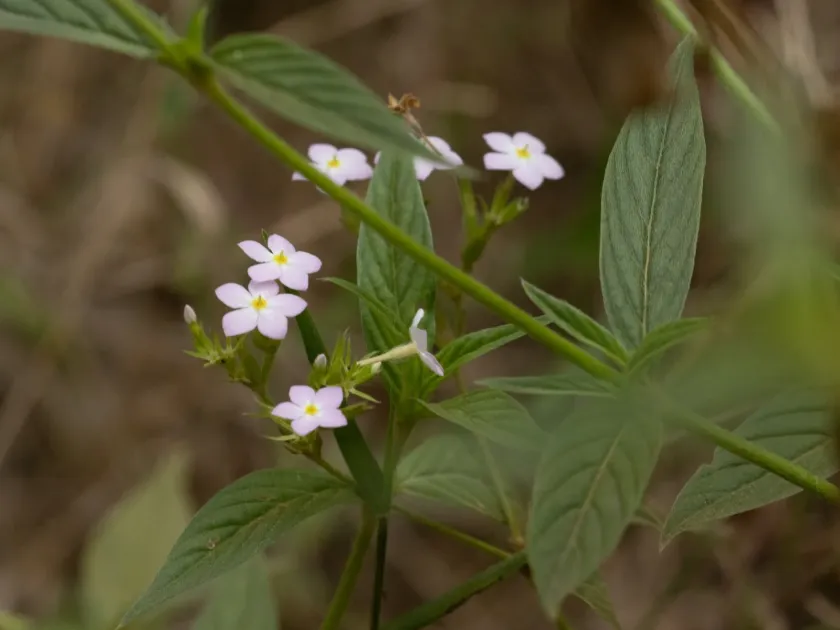
Description
Growing requirements
Sipanea pratensis is a perennial herbaceous plant belonging to the Rubiaceae family. Native to the tropical regions of South America, it is primarily found in the ecosystems of Guyana, Brazil, and Venezuela, thriving in savanna-like habitats and forest edges.
The cultivation of this plant requires specific environmental conditions. It demands high levels of atmospheric humidity and consistent soil moisture, which makes it well-suited for tropical glasshouse environments or specific agro-ecological zones within its native range.
Botanically, the plant features opposite leaves and small inflorescences characteristic of the Madder family. Its structural integrity is supported by a root system adapted to nutrient-leached tropical soils, which allows it to persist even under fluctuating precipitation levels.
In terms of agricultural management, soil aeration is critical to prevent root rot, while supplemental fertilization is often needed to match the nutrient density required for optimal vegetative growth. The plant is intolerant to frost and requires stable warm temperatures throughout the year.
The primary utility of Sipanea pratensis currently lies in botanical research and potentially phytochemistry. As part of the Rubiaceae family, it serves as a subject for chemical screening programs aiming to identify secondary metabolites with medicinal or industrial value.