
Sherbournia
Sherbournia
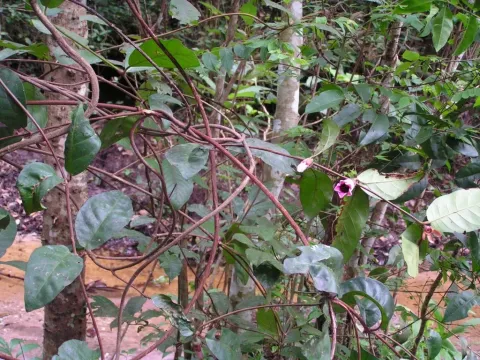
Sherbournia is a genus of flowering plants within the Rubiaceae family. These plants are typically evergreen shrubs or climbers native to the humid tropical forests of West and Central Africa, characterized by their lush foliage and unique botanical structure.
What the section contains

Sherbournia
To cultivate Sherbournia successfully, one must replicate a tropical microclimate. This requires high, consistent temperatures and significant humidity levels. The plant does not tolerate cold drafts or temperatures dropping significantly below 20 degrees Celsius, necessitating a greenhouse or climate-controlled interior environment.
The substrate should be well-draining, rich in organic matter, and slightly acidic in pH. A mixture consisting of peat moss, pine bark, and perlite works exceptionally well, as it prevents root suffocation while maintaining the moisture retention required for optimal growth.
Regarding light, Sherbournia thrives in bright, indirect light. Exposure to intense, direct tropical sun can cause severe leaf scorch and dehydration. In an indoor setting, an east-facing window or a location behind sheer curtains is ideal to provide enough luminosity without the heat of direct solar radiation.
Fertilization is essential during the active growing season. Using a balanced, water-soluble fertilizer specifically formulated for acid-loving or tropical plants will promote vigorous growth and healthy leaf coloration. It is critical to dilute the fertilizer to half-strength to avoid salt accumulation in the root zone.
Spider mites are the most persistent pest for Sherbournia, especially in indoor environments where air circulation may be limited. These mites thrive in dry conditions and can quickly defoliate a plant if not managed through increased humidity and the use of appropriate miticides.
Mealybugs and scale insects also pose a significant threat. These sap-sucking pests often reside in the leaf axils or on the undersides of the leaves. Manual removal combined with systemic insecticides is often necessary to eradicate established colonies before they spread.
Root rot, caused by various soil-borne fungi, is a direct consequence of overwatering or poor substrate drainage. Symptoms include wilting, yellowing of the lower leaves, and a soft, mushy stem base, which typically indicates that the plant is beyond recovery.
Leaf spot diseases, often fungal or bacterial in origin, can appear if the foliage remains wet for extended periods without adequate air movement. Improving ventilation and keeping the leaves dry during irrigation are key preventative measures against these pathogens.
Effective management of these threats relies on frequent scouting and maintaining a consistent environmental balance. By keeping the plant stress-free, it is better able to resist natural pressures and maintain its decorative value throughout the year.