
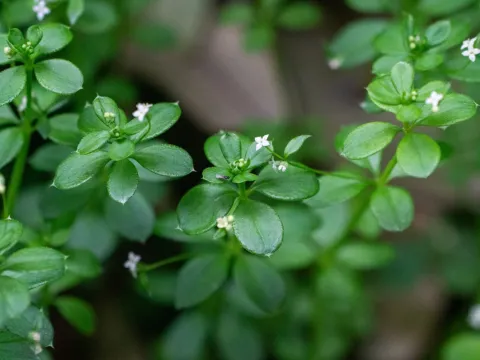
Slender bedstraw
Galium gracilens
Slender bedstraw (Galium gracilens) is a perennial herbaceous plant belonging to the Rubiaceae family. In agricultural contexts, it is valued both as a nutrient-rich forage component and as a source of raw material for pharmacological use.
What the section contains
Slender bedstraw
The plant thrives in moderately moist soils that possess effective drainage and a neutral to slightly acidic pH level. It demonstrates a high degree of ecological plasticity, allowing it to adapt to various climatic zones with seasonal temperature variations.
Successful cultivation requires locations with plenty of sunlight, although the plant shows some tolerance to partial shade. Avoiding waterlogging in the root zone is crucial, as the root system is highly sensitive to oxygen deprivation during periods of heavy saturation.
The optimal temperature range for active growth is between +15 and +22 degrees Celsius. During the early developmental stages, the crop requires steady irrigation, though it becomes sufficiently resilient to occasional dry spells once established.
Soil quality should be enriched with humus and essential minerals. Cereal crops serve as excellent predecessors for cultivation, and the application of potassium-phosphorus fertilizers during the autumn soil preparation significantly enhances biomass production.
Slender bedstraw is susceptible to various phytopathological conditions, with leaf rust being the most common, manifesting as brownish spots on the foliage.
Powdery mildew also represents a significant risk, especially under conditions of high air humidity and poor air circulation within the canopy. Regular monitoring and preventive fungicide treatments are recommended.
Pests such as leaf-eating insects and aphids pose the greatest threat to the crop, as they can cause substantial yield losses in terms of total vegetative mass during dry years.
Effective management includes consistent weed control, as surrounding weeds often serve as reservoirs for diseases and shelters for harmful insect species.
It is vital to maintain appropriate plant density during sowing, as overly dense stands create favorable microclimatic conditions that accelerate the spread of fungal pathogens at the base of the stems.