
Slender false buttonweed
Spermacoce tenuior
Description
Sowing dates
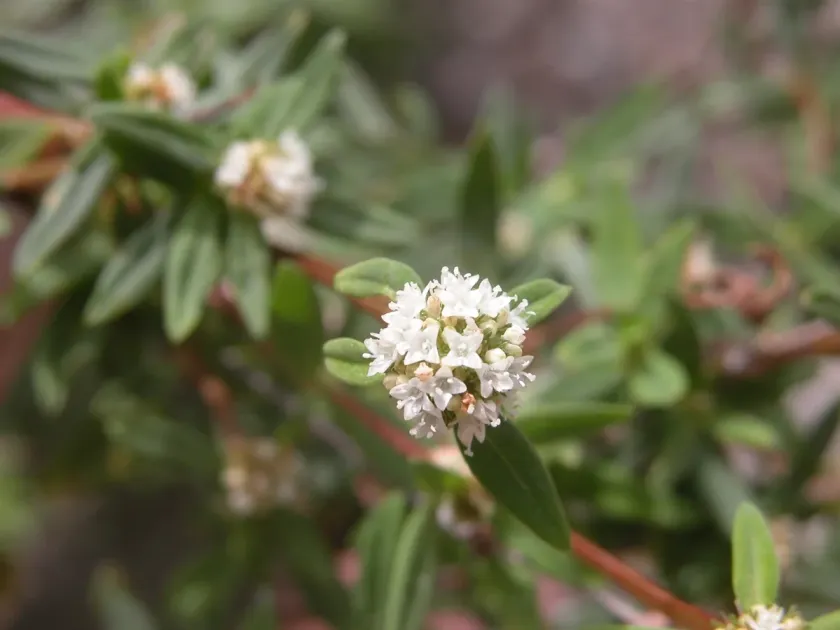
Spermacoce tenuior, commonly known as slender false buttonweed, is a notable member of the Rubiaceae family, characterized by its slender stems and dense inflorescences.
The planting process usually begins at the start of the wet season, which provides the necessary hydration for successful seed germination and initial growth.
The seeds require a substrate with high organic matter content to ensure that the seedlings establish themselves efficiently in the early vegetative stages.
Proper spacing between rows is essential for the crop, allowing for adequate air circulation and reducing the likelihood of fungal development in humid conditions.
Manual weeding is often necessary during the first four weeks after sowing to protect young plants from competitive pressure by invasive weeds.
Growing requirements
This species thrives in tropical climates, requiring consistent temperatures ranging between 22 and 30 degrees Celsius to maintain healthy growth cycles.
High levels of solar radiation are required for optimal photosynthesis, making open, sun-exposed fields the most suitable sites for this crop cultivation.
The soil should have a slightly acidic to neutral pH, which is optimal for the nutrient absorption profile of the Spermacoce genus.
Adequate soil drainage is non-negotiable, as the roots are sensitive to waterlogging, which often leads to root rot in poorly managed plots.
In terms of moisture, the crop requires a consistent water supply, especially during the flowering and seed-setting phases to ensure high biomass output.