
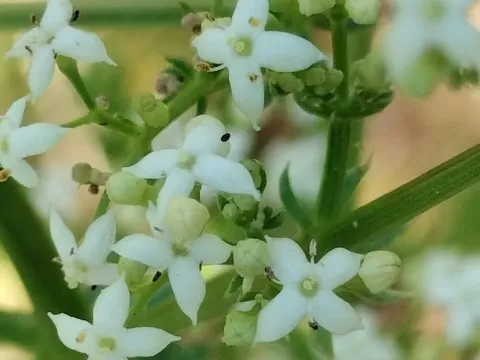
Shining bedstraw
Galium lucidum
Shining bedstraw (Galium lucidum) is a perennial herbaceous plant belonging to the Rubiaceae family. Originating from the Mediterranean region, this species has adapted to survive in harsh conditions, typically thriving on rocky slopes, limestone formations, and sunny clearings where other vegetation may struggle.
What the section contains
Shining bedstraw
The plant is characterized by its slender, quadrangular stems and distinctively glossy, narrow leaves arranged in whorls. Its morphology is highly adapted to water conservation, allowing the plant to remain resilient throughout the growing season even in low-rainfall environments.
Regarding climatic and soil requirements, Galium lucidum demands full sun exposure to ensure optimal metabolic activity and the production of secondary metabolites. It flourishes in alkaline or neutral soils that provide exceptional drainage, as it is highly susceptible to root damage in saturated ground.
The agrotechnical approach should focus on minimal intervention, reflecting its wild nature. Since the plant is naturally accustomed to nutrient-poor soils, heavy fertilization is generally unnecessary and may even reduce the quality of the harvested biomass for medical or essential oil purposes.
Commercially, the plant is valued for its specific phytochemical profile, which includes flavonoids and iridoid glycosides. These components have potential applications in the cosmetic industry and herbal medicine, specifically for their documented astringent and soothing therapeutic effects.
Major threats to cultivation include fungal infections such as downy mildew, particularly in regions with high humidity or poor airflow between plants. Proper plant spacing is essential to mitigate these risks and ensure the longevity of the herb bed.
Pests such as aphids and certain larvae may target the tender leaves during the early vegetative stage. Monitoring these populations is critical, and mechanical removal or botanical insecticides should be prioritized to maintain the purity of the medicinal product.