
Manettia paraguariensis
Manettia paraguariensis
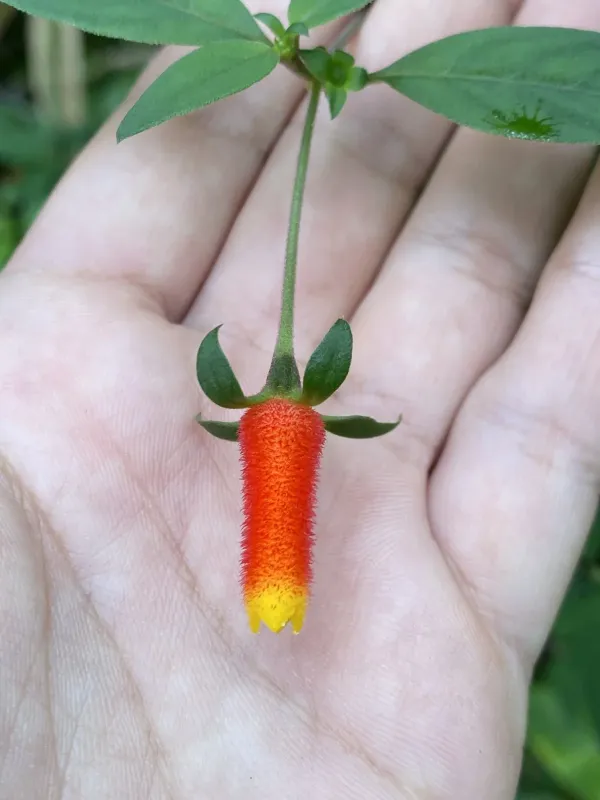
Description
Sowing dates
Manettia paraguariensis, a member of the Rubiaceae family, is typically propagated through stem cuttings during the spring or summer months. While seed propagation is possible, it requires a steady soil temperature of 22–25 degrees Celsius to ensure successful germination.
The best time to start propagation is early spring as day length increases. Seeds should be sown in a light, well-draining substrate mixed with perlite or vermiculite to maintain proper moisture balance for the developing roots.
Proper seed sowing involves light coverage with soil and maintaining high humidity by covering the container with plastic or glass. A greenhouse environment significantly improves the success rate for young seedlings during their initial development phase.
Once the seedlings develop their first true leaves, they should be pricked out into individual pots. This practice encourages stronger root development and prevents competition between young plants for water and essential nutrients.
As this species is tropical in origin, it should only be moved to outdoor permanent locations once all risks of frost have passed and nighttime temperatures remain consistently above 15 degrees Celsius.
Growing requirements
This plant thrives in bright, indirect light. Direct sunlight, especially during the peak hours of a summer afternoon, should be avoided to prevent leaf scorch and ensure the foliage maintains its deep green color.
The ideal soil is nutrient-rich, slightly acidic, and well-draining. Adding organic matter, such as peat moss or compost, helps create the fertile environment necessary for the plant's vigorous climbing growth.
Regular watering is essential during the active growing season. The soil should remain consistently moist but not waterlogged, as poor drainage is the primary cause of root-related issues in this species.
The preferred temperature range for Manettia paraguariensis is between 20 and 28 degrees Celsius. During the winter months, the plant benefits from a slight drop in temperature, which marks its natural dormant period.
Because it is a vine, providing sturdy supports or trellises is a fundamental part of its agrotechnical care. Without proper climbing structures, the plant may struggle to display its full aesthetic potential.
Main diseases and pests
Common pests that affect Manettia paraguariensis include spider mites, mealybugs, and scale insects. These pests thrive in dry environments and can quickly weaken the plant if left untreated.
Root rot is the most common disease, usually caused by overwatering or poor aeration in the pot. It is important to ensure the potting mix allows excess water to drain away freely to avoid fungal infections.
Powdery mildew can occur in areas with poor airflow and high humidity. Improving ventilation around the plant and applying appropriate fungicides can help manage and eliminate these fungal outbreaks effectively.
Yellowing leaves are often a sign of environmental stress, such as nutrient deficiencies, improper lighting, or fluctuating soil pH levels. Regular monitoring of leaf health is key to identifying problems early.
To keep the plant healthy, periodic cleaning of leaves and prompt removal of dead or decaying foliage are recommended. These simple steps significantly reduce the likelihood of pest colonization and disease spread.