
Manettia luteorubra
Manettia luteorubra
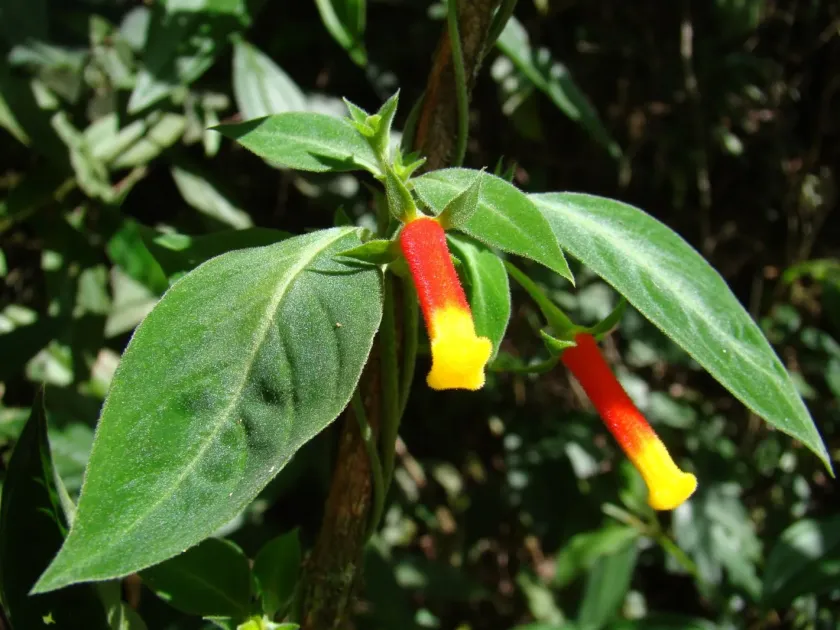
Description
Sowing dates
Manettia luteorubra, a member of the Rubiaceae family, is typically propagated through seeds or stem cuttings. Seed sowing is best performed in early spring, utilizing a well-draining soil mix to ensure rapid germination.
To germinate successfully, seeds require a consistent temperature of 20–22 degrees Celsius. Maintaining high humidity with clear covers or miniature greenhouses will significantly boost the success rate.
Stem cuttings should be taken from healthy, semi-hardwood growth in the spring. Using rooting hormones and a peat-based medium will accelerate the development of a robust root system for new plants.
Once seedlings have established their first set of true leaves, they should be transplanted into individual pots. Providing a climbing support is essential from an early age to guide the plant's growth habit.
As the plant matures, repotting into larger containers is necessary to accommodate its rapid vining growth and ensure the plant remains productive throughout its flowering season.
Growing requirements
This climbing plant thrives in bright, indirect light. While it loves sunshine, intense afternoon rays can scorch the foliage, so partial shade or diffused light is highly recommended.
Temperature management is crucial; the plant prefers a range between 18 and 25 degrees Celsius during the growing season. During winter, it should be protected from drafts and kept above 15 degrees.
A fertile, loamy soil with a slightly acidic pH is ideal for Manettia. Proper drainage is mandatory, as this plant does not tolerate waterlogged conditions that lead to root rot.
Consistent moisture is required for optimal health. Water whenever the top inch of soil feels dry, and supplement with misting to maintain high ambient humidity, which helps prevent pest infestations.
Regular fertilization with a balanced liquid fertilizer for flowering plants should be applied bi-weekly. A formula higher in phosphorus will encourage more prolific and vibrant blooms.
Main diseases and pests
Common pests include spider mites and scale insects, which are attracted to the foliage in dry environments. Using neem oil or specific insecticidal soaps can help manage and eliminate these populations.
Root rot caused by overwatering is a significant threat to the plant's longevity. If symptoms occur, reduce watering frequency immediately and inspect the roots for decay, pruning away infected areas.
Powdery mildew may develop if the plant is kept in an area with poor airflow or high humidity without adequate circulation. Improved ventilation is the most effective preventative measure.
Leaf yellowing is frequently a sign of nutrient deficiencies or improper pH levels in the growing medium. Applying a chelated iron supplement can often rectify the issue if the soil conditions are correct.
Regular monitoring of the undersides of leaves and stems is essential for early pest detection, ensuring that the plant remains healthy and vibrant throughout the year.