
Manettia hispida
Manettia hispida
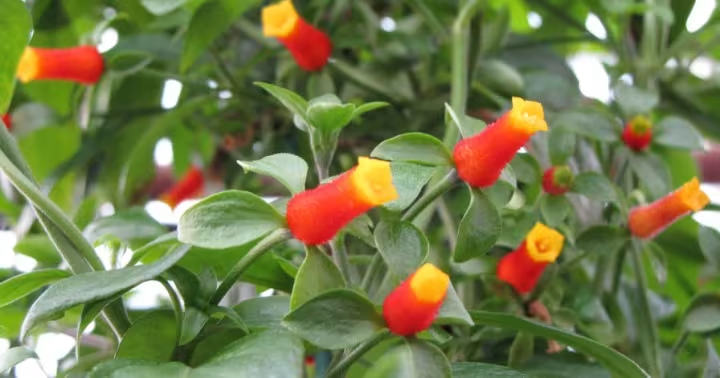
Description
Sowing dates
Manettia hispida is a perennial tropical vine that is most commonly propagated via seeds sown in early spring. The seeds require a warm, stable environment with temperatures between 20°C and 22°C to ensure successful germination.
Using a lightweight, well-draining seed-starting mix is essential to prevent seed rot during the early stages of development. It is recommended to cover the tray with plastic film to maintain the high humidity levels required for sprouting.
Once seedlings develop their first true leaves, they should be transplanted into individual pots. This transition allows the plant to build a strong root system, which is crucial for the vigorous growth of the vine in later stages.
Cuttings represent a highly effective vegetative propagation method. Utilizing semi-hardwood stems taken in late summer provides a reliable way to replicate the plant's unique traits and ensure rapid establishment in suitable conditions.
Proper aeration after transplanting is vital to prevent damping-off disease. Gradually exposing young plants to ambient air levels helps them adapt to their environment and strengthens the stems before they start climbing.
Growing requirements
As a member of the Rubiaceae family originating from South American tropical forests, this plant thrives in warm, humid conditions. It performs best in temperatures ranging from 18°C to 25°C, as extreme cold can severely damage its growth cycles.
A fertile, slightly acidic, and well-aerated soil mix is required for optimal performance. A blend of peat, leaf compost, and coarse sand provides the necessary structure to support the rapid development of the vine's root system.
High relative humidity is a non-negotiable requirement for Manettia hispida. Frequent misting or the use of a humidifier is recommended if the ambient air drops below 60 percent, especially in indoor or greenhouse settings.
The plant requires bright, indirect sunlight to maintain its vibrant appearance and to encourage continuous flowering. Direct, harsh midday sun should be avoided as it can scorch the delicate foliage and dry out the soil too quickly.
Due to its climbing nature, the plant requires structural support such as trellises or wires. Providing ample space for vertical growth allows the vine to receive consistent light distribution across its foliage, promoting overall health.
Main diseases and pests
Root rot is the most significant threat to the plant's health, primarily caused by overwatering or poor drainage. Monitoring soil moisture levels before adding water is the best practice to prevent this common and often lethal condition.
Spider mites are the most prevalent pest, particularly in environments with low humidity. Regular inspections of the undersides of the leaves for webbing or tiny, moving dots are necessary for early detection and control.
Scale insects can infest the stems and leaf junctions, drawing sap and weakening the plant. Mechanical removal combined with the use of systemic insecticides is often required to effectively eliminate these persistent pests.
Leaf spot diseases may occur if the plant is kept in an environment with poor air circulation and excessive dampness. Improving airflow around the vine is essential to mitigate the risk of fungal outbreaks.
Nutrient deficiencies, indicated by yellowing leaves or stunted flower production, can be corrected through the application of a balanced, liquid fertilizer during the active growing season to support continuous bloom.