
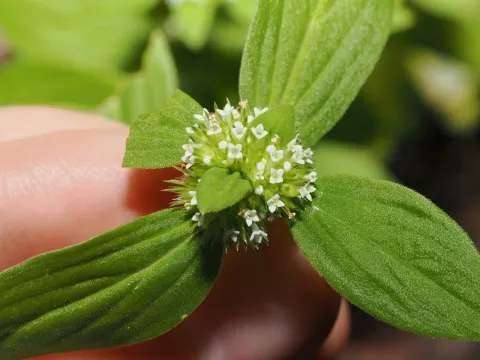
Mitracarpus
Mitracarpus
Mitracarpus is a diverse genus of herbs and shrubs belonging to the Rubiaceae family. Naturally occurring in tropical regions of Africa, South America, and the Caribbean, this plant is well-adapted to warm, humid environments with distinct seasonal cycles.
What the section contains


Mitracarpus
The plant thrives in full sun exposure and requires high ambient temperatures for optimal physiological processes. It is typically found in open habitats, meadows, and sometimes in cultivated landscapes where the soil is well-drained and friable.
Soil requirements for Mitracarpus include a pH level ranging from slightly acidic to neutral. Sandy or loamy soils are ideal, as they prevent the risk of waterlogging, which the root system cannot tolerate. Ensuring proper drainage is a critical step in the site selection process.
Historically, various species of Mitracarpus have been used in traditional medicine to treat skin conditions. Modern agricultural interest focuses on its potential as a bioactive crop, as chemical analysis reveals significant antifungal and antibacterial properties.
For large-scale cultivation, providing sufficient space for air circulation is essential. Crowded planting leads to humidity traps, which promote disease development. Consistent irrigation during dry periods ensures steady vegetative growth and higher yields of raw biomass.
Fungal pathogens represent the most significant threat to Mitracarpus crops. Leaf spots and root rots occur frequently when the canopy becomes too dense or when excessive rainfall prevents the soil from drying out sufficiently between watering cycles.
Insect pests, particularly aphids and spider mites, pose a threat to plant vigor. These pests feed on the sap of young stems and leaves, causing leaf curling and necrotic spots, which directly reduce the plant's ability to photosynthesize effectively.
Management of these threats involves a combination of cultural practices, such as proper spacing and weeding, and the application of biological control agents. Avoiding chemical pesticides is preferred if the plant is intended for medicinal use, to maintain raw material quality.
Viral diseases can also impact the crop, often transmitted by vectors like insects. Once infected, plants should be immediately removed from the field to prevent the spread of the virus to healthy specimens.
Regular field scouting is the cornerstone of protecting Mitracarpus plantations. Identifying the early signs of stress or pest infestation allows for timely intervention, minimizing potential damage and ensuring a healthy yield at the end of the season.