
Mauritian coffee
Coffea mauritiana
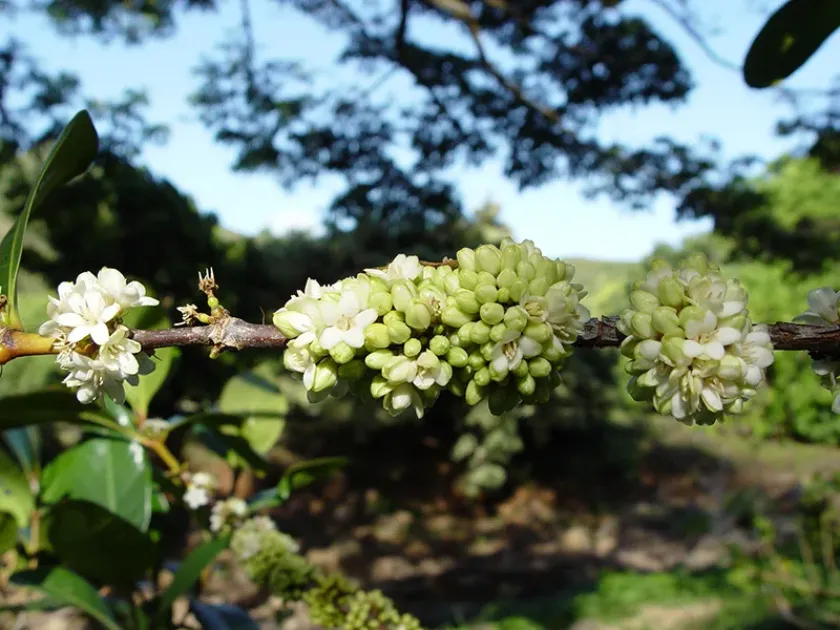
Description
Growing requirements
Mauritian coffee (Coffea mauritiana) is a member of the Rubiaceae family and is native to the islands of Mauritius and Reunion. As a distinct coffee species, it is characterized by its adaptability to specific microclimates within its natural range.
The plant thrives in humid tropical environments, requiring consistent warmth throughout the year. It performs best in areas where average temperatures remain between 20°C and 25°C, avoiding extremes of heat or cold.
Soil requirements involve well-structured, nutrient-rich substrates with an acidic to neutral pH. Proper soil aeration is essential, as the species is prone to root rot if water stagnation occurs, necessitating a professional approach to field drainage.
Growth is optimized under light shade, simulating the canopy of its natural habitat. Full sun exposure often leads to leaf stress, reducing the plant's overall vigor and potential fruit quality.
Maintenance techniques include regular mulching to keep root temperature stable and manual weed control to ensure the coffee trees do not compete for resources with aggressive ground cover.
Main diseases and pests
The main threats to the species involve fungal pathogens, particularly leaf rust and various blights that exploit the high humidity of tropical forest fringes. These diseases can defoliate trees if left unchecked.
Insects, including coffee berry borers and scale insects, are common pests that attack both the foliage and the fruit. These require targeted botanical or biological controls to protect the plant's structural integrity.
Nematode infestations in the soil can compromise the root system, making the plant susceptible to environmental stress. Implementing rigorous soil testing and sanitation before planting is recommended.
Habitat loss due to the encroachment of invasive species is a significant ecological challenge for Coffea mauritiana. Protection efforts often involve controlled breeding in specialized botanical facilities.
Monitoring for pest outbreaks requires frequent visual inspections of the canopy. Prompt intervention using approved organic pesticides helps maintain the health of these trees without causing chemical toxicity to the local ecosystem.