
Manettia mitis
Manettia mitis
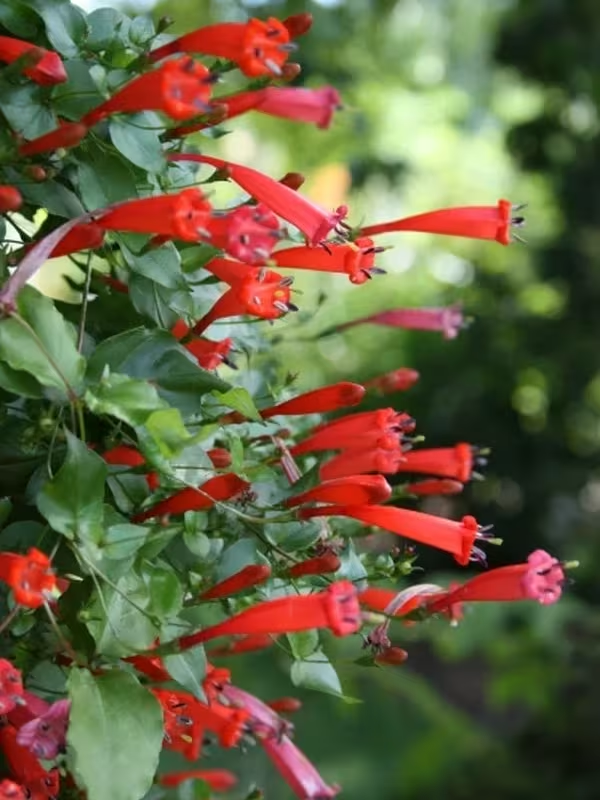
Description
Growing requirements
Manettia mitis is an evergreen climbing plant belonging to the Rubiaceae family. Native to the tropical regions of Central and South America, it is widely recognized for its fast-growing, vigorous vines that naturally climb surrounding vegetation in its wild habitat.
For successful cultivation, the plant requires a well-draining, nutrient-rich potting medium. A suitable mixture usually includes peat moss, loamy soil, and horticultural sand to ensure the roots remain oxygenated and are protected from waterlogging.
The climate requirements for this species are strict: it thrives in temperatures ranging from +20 to +26 degrees Celsius. As a tropical plant, it does not tolerate frost or cold drafts, making it strictly an indoor or greenhouse plant in non-tropical climates.
High relative humidity is essential for the health of Manettia mitis. Regular misting of the foliage or the use of humidifiers is strongly recommended, especially during the winter months when indoor heating systems tend to dry out the air significantly.
In terms of хозяйственное использование (хозяйственное использование), the plant is cultivated exclusively for ornamental purposes. Its ability to cover large trellises and walls makes it a valuable asset for botanical gardens, commercial conservatories, and private interior landscapes.
Main diseases and pests
Spider mites are the most common pests encountered when growing Manettia mitis indoors. They thrive in dry air conditions and quickly colonize the undersides of leaves, causing yellowing and premature leaf drop if not addressed immediately.
Mealybugs are another persistent threat to this crop. These insects hide in leaf axils and stems, secreting a cotton-like substance that protects them and facilitates the spread of secondary fungal infections, which further degrade the plant's structural integrity.
Fungal diseases, specifically root rot, occur frequently when the irrigation schedule is not managed correctly. Excess water in the substrate prevents root respiration, leading to the rapid decay of the root system and eventual death of the vine.
Effective pest management involves integrated control methods, including manual removal of insects and the application of systemic insecticides when necessary. Maintaining a clean growing environment is vital for preventing the re-infestation of these persistent pests.
To mitigate the risk of disease, growers should ensure pots have adequate drainage holes and use a substrate that does not retain excessive moisture. Frequent monitoring of the soil moisture levels remains the best defense against root-related pathologies in this sensitive tropical crop.