
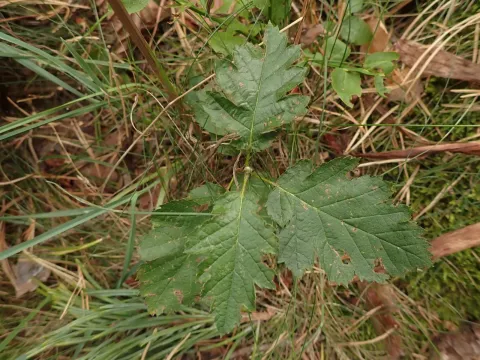
Subpinnate mountain ash
Sorbus subpinnata
Sorbus subpinnata is a notable species within the Rosaceae family, recognized for its unique foliage and distinct structural characteristics. As a woody plant, it occupies a significant niche in both ornamental horticulture and small-scale cultivation.
What the section contains
Subpinnate mountain ash
The species originates from regions where temperate climate conditions prevail, favoring areas with cool winters and moderate summers. To thrive, it requires a site with full sun exposure to ensure proper crown development and robust yearly growth cycles.
Regarding soil requirements, this crop demands well-drained, fertile substrates. It is particularly sensitive to waterlogging, which necessitates careful site selection and the potential implementation of raised beds or drainage systems in heavier clay soils.
Cultural practices include a consistent watering schedule, especially during the establishment phase. The application of organic mulch around the base of the trunk helps in suppressing weeds and maintaining uniform soil moisture levels throughout the growing season.
Pruning is essential for maintaining the shape of the tree and promoting healthy air circulation within the canopy. These tasks should be performed annually during the dormant season to minimize sap loss and reduce the risk of infection through fresh cuts.
While primarily cultivated for aesthetic purposes in landscaping, the tree produces fruit that aligns with the botanical characteristics of the genus. Its wood and physical structure also hold secondary value for specialized horticultural propagation purposes.
The species is susceptible to common diseases of the Rosaceae family, including fire blight and fungal leaf spots. Vigilance in removing infected branches immediately upon detection is a critical control measure to preserve the overall health of the tree.
Pest pressures often involve aphids and various types of borers that target the trunk or foliage. Integrated pest management strategies, utilizing both biological controls and targeted horticultural oils, are recommended for long-term tree health management.