
Swamp lawyer
Rubus australis
Description
Growing requirements
Rubus australis, commonly known as the swamp lawyer or bush lawyer, is a woody climbing vine native to New Zealand. It belongs to the Rosaceae family and is well-adapted to forest environments, climbing high into the canopy.
The plant thrives in temperate climates with high rainfall and high humidity. It requires sheltered spots away from strong, drying winds that can cause physical damage to the leaves and delicate climbing stems.
Soil conditions should be rich in organic matter, slightly acidic, and well-draining. While the plant appreciates moisture, it cannot tolerate waterlogging, which significantly increases the risk of root rot pathogens.
Rubus australis is shade-tolerant by nature, as it evolved to grow under the forest canopy. However, in cultivated settings, it responds well to dappled sunlight, which encourages more vigorous growth and potential fruit yield.
The plant is famously known for its sharp, recurved hooks present on its stems and leaf midribs. These biological adaptations allow the plant to latch onto other trees and shrubs as it reaches towards the light, making it a formidable climber.
Harvesting
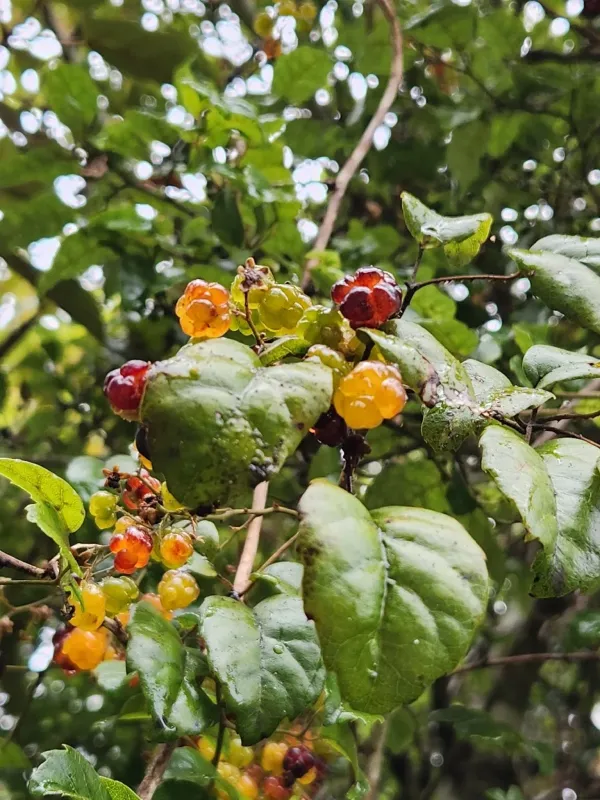
The harvest period typically begins in the summer months. The berries appear in small, loosely formed clusters, usually ripening to a golden yellow or amber color, providing a unique visual characteristic for the species.
While not a primary commercial berry crop, the fruits are edible and were historically used by Maori people. They have a distinct flavor that appeals to enthusiasts of wild, native forage and traditional foods.
Harvesting is notoriously difficult due to the dense array of prickles covering the plant. Specialized equipment and protective gear are mandatory to successfully navigate the vine and collect the ripe fruit.
The post-harvest shelf life of the berries is relatively short. They are best utilized immediately after picking or kept at low temperatures to prevent fermentation and ensure optimal quality for further culinary applications.
In terms of wider uses, the species is occasionally integrated into native ecological restoration projects. Its hardy nature makes it a useful component in stabilizing forest margins and supporting local biodiversity.