
Striped Agrimony
Agrimonia striata
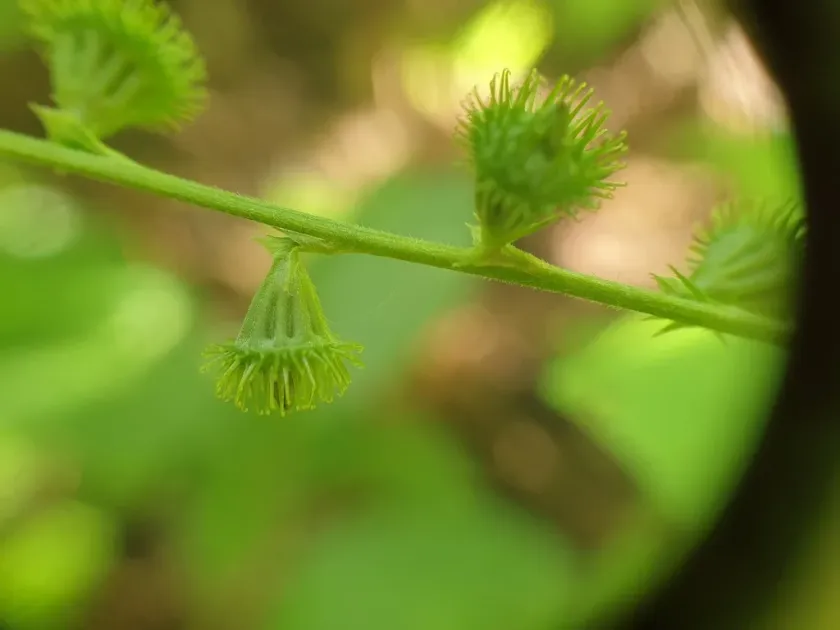
Description
Sowing dates
Sowing of Striped Agrimony (Agrimonia striata) is typically carried out in early spring as soon as the soil temperatures reach 10-12 degrees Celsius. The seeds often require a period of cold stratification, so preparing them properly is essential for achieving high germination rates.
For industrial-scale production, a row spacing of approximately 45 to 60 centimeters is recommended. This spacing is critical to facilitate mechanical weeding and ensure adequate airflow, which significantly reduces the pressure of fungal diseases throughout the season.
The seeds should be sown at a shallow depth of no more than 1-2 centimeters. Because the seeds are relatively small, deep burial can result in failure to emerge. Ensuring consistent soil moisture during the first few weeks after sowing is vital for successful establishment.
Late autumn sowing is also a viable option in many temperate regions. This allows the seeds to undergo natural winter stratification, often leading to more robust and vigorous seedlings as soon as the soil warms up during the early spring months.
Firming the soil after sowing by rolling is highly beneficial. This practice improves the contact between the soil particles and the seed, facilitating the capillary movement of water to the seed, which improves the uniformity of the crop stands.
Growing requirements
Striped Agrimony is a perennial member of the Rosaceae family. It is naturally found in woodland borders and meadows, which indicates a preference for sites that provide partial shade or full sun, provided the soil remains sufficiently moist throughout the growing period.
The crop performs best in fertile, well-draining loamy or sandy loam soils with a slightly acidic to neutral pH. Proper soil structure is essential to prevent waterlogging, as the species is sensitive to poor drainage and can develop root issues in heavy, compacted soils.
This species is well-adapted to temperate climates and demonstrates excellent hardiness. It can withstand a wide range of temperatures, making it a reliable choice for cultivation in diverse geographic locations within the northern hemisphere.
Maintenance of soil fertility is an important aspect of managing this crop. While it is not overly demanding, supplemental organic matter or balanced mineral fertilizers can promote higher biomass yields, especially when grown in a perennial production system.
Good soil management practices, including proper crop rotation, are key to preventing the buildup of soil-borne pathogens. Rotating away from other Rosaceae crops helps maintain the health and vigor of the Striped Agrimony planting over several consecutive years.
Yield
Productivity levels for Striped Agrimony typically reach their full potential starting from the second year of growth. The primary target for harvesting is the aerial part of the plant, which is usually collected during the full flowering stage.
Yield is strongly influenced by the management of the crop stand density. Maintaining the optimal number of plants per square meter ensures that each individual plant has sufficient resources to reach maturity while maximizing the output per hectare.
Supplemental fertilization with phosphorus and potassium is known to increase the concentration of active medicinal compounds within the leaves and stems. Agronomists should monitor the nutritional status of the crop to ensure consistent quality and yield.
Perennial stands require occasional rejuvenation to maintain high production levels. Depending on local soil and climate conditions, a production cycle of 4 to 5 years is common before the stand requires clearing and replanting to ensure economic viability.
Post-harvest handling is critical to determining the final yield of marketable product. Quick and efficient drying is necessary to minimize biomass loss and prevent the degradation of volatile components essential for the plant's final market value.
Main diseases and pests
Fungal diseases, particularly powdery mildew, represent the most significant threat to the cultivation of Striped Agrimony. These infections thrive in warm, humid conditions with poor air circulation, making preventive spacing essential for crop protection.
Various insect pests, such as leaf-eating beetles, can cause localized damage. Scouting fields regularly, especially during the early vegetative and budding stages, is necessary to identify and treat potential infestations before they cause economic damage.
Root rots are frequently associated with excessive moisture and poor soil aeration. Implementing drainage solutions and avoiding the over-irrigation of low-lying spots in the field is the primary defense strategy against these harmful pathogens.
Weed management is paramount during the first year of establishment. Since the species grows relatively slowly during the seedling phase, competition from aggressive weeds can easily smother the crop, leading to severe stand failure.
Sanitation practices, such as removing infected plant parts and maintaining clean equipment, help mitigate the risk of disease spread. A proactive approach to crop hygiene ensures the longevity and productivity of the entire commercial planting.
Harvesting
Harvesting should be timed to coincide with the peak of the flowering phase. During this time, the concentration of the plant's secondary metabolites is at its highest, ensuring the highest possible quality of the collected aerial biomass.
Cutting should be performed at a height that ensures the survival of the crown and basal buds. Leaving adequate stubble is crucial for the plant's ability to overwinter successfully and regrow vigorously during the following season.
Transportation from the field to the drying facility must be rapid. Freshly cut biomass can heat up quickly, leading to the fermentation of leaves and a subsequent loss of the color and chemical integrity of the harvested material.
Drying must be conducted in controlled environments at temperatures not exceeding 40-45 degrees Celsius. Exceeding this temperature threshold risks the loss of sensitive essential oils and other valuable compounds that define the medicinal quality of the herb.
After the material is adequately dried, it should be processed to remove any remaining stems or debris. Packaging in breathable containers protects the finished product from moisture accumulation while waiting for transport or final storage in cool, dry areas.